How to Master the Art of Fog Photography and Create Ethereal Visuals

Fog, that mysterious veil descending upon landscapes, urban vistas, and quiet forests, possesses an unparalleled ability to transform the ordinary into the extraordinary. It imbues images with a sense of atmosphere, depth, and enigmatic beauty, making it a favorite subject for photographers and a powerful element for visual designers. Whether you’re aiming to capture the fleeting magic of a misty morning with your camera, or seeking to infuse your digital art and graphic designs with a touch of ethereal haze, understanding “how to fog an image” – both in-camera and through post-processing – is a skill that opens up a world of creative possibilities.
At Tophinhanhdep.com, we delve into every facet of image creation, from stunning high-resolution photography and aesthetic backgrounds to advanced digital art techniques and indispensable image tools. This comprehensive guide will explore the fascinating phenomenon of fog, its profound impact on visual storytelling, and practical techniques for harnessing its beauty. We’ll cover everything from predicting its appearance and optimizing your camera settings to leveraging its unique compositional advantages and even digitally simulating its captivating presence. Prepare to unlock the secrets to creating mesmerizing, fog-laden images that resonate with mood and wonder.

Understanding the Enchantment of Fog: A Deeper Dive
Before we can effectively photograph or digitally simulate fog, it’s crucial to understand what it is and how it interacts with light and environment. This foundational knowledge is key to both anticipating natural fog and realistically recreating its effects.
What is Fog? The Science Behind the Veil
Scientifically speaking, fog is essentially a cloud that forms very close to the ground. It’s composed of countless tiny liquid water particles suspended in the air. The primary distinction between fog and an overhead cloud lies in its proximity to the Earth’s surface.
The formation of fog is a fascinating meteorological process. Our atmosphere always contains water, primarily in its gaseous state as water vapor. Fog occurs when this water vapor transforms into liquid droplets due to a drop in air temperature below the “dew point” – the temperature at which air becomes saturated and condensation begins. These minuscule droplets then float, scattering light and creating the hazy conditions we perceive as fog.
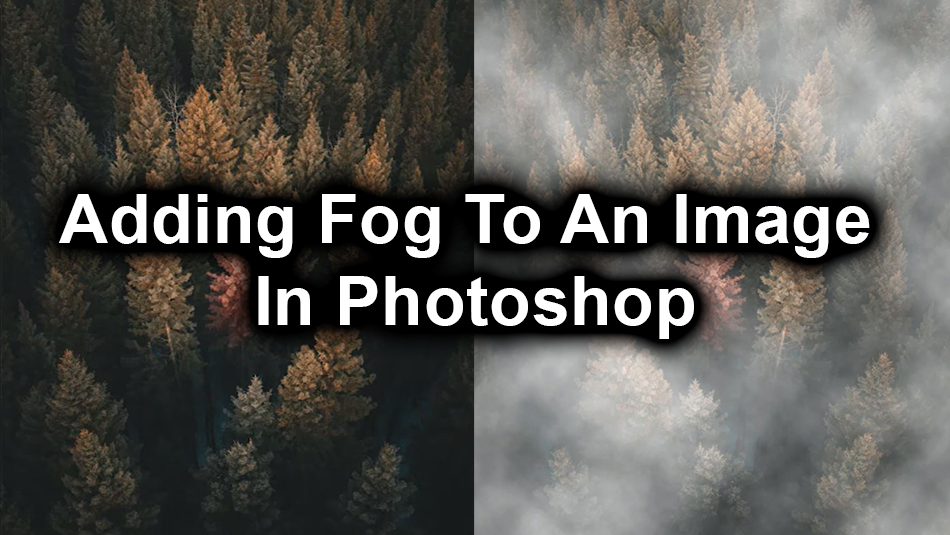
Tophinhanhdep.com recognizes several common types of fog, each with unique formation characteristics:
- Radiation Fog: This often forms on clear, calm nights when the ground cools rapidly, in turn cooling the air directly above it. As the air cools, moisture condenses into fog, often dissipating as the sun rises and warms the land. It’s the classic “morning mist” that gracefully lifts throughout the day.
- Advection Fog: Occurs when warm, moist air moves horizontally over a cooler surface, such as land or a body of water. A prime example is the iconic fog rolling in over coastal areas, particularly when warm oceanic air encounters colder coastal currents.
- Valley Fog: A specific type of radiation fog, this forms when cold, dense air settles into low-lying areas like valleys, trapping moisture and forming persistent fog that can linger for extended periods.
- Upslope Fog (Hill Fog): Develops when moist air is forced upwards along a slope or mountain range. As the air rises, it cools due to decreasing atmospheric pressure, leading to condensation and fog formation.
- Evaporation Fog (Steam Fog/Sea Smoke): Observed when cold air flows over much warmer water. The warm water evaporates moisture into the cold air, which then immediately condenses to form fog, creating a “steaming” effect over lakes or rivers.
- Freezing Fog & Frozen Fog: These types occur at very low temperatures. Freezing fog consists of liquid water droplets below freezing that freeze upon contact with surfaces (forming rime ice). Frozen fog involves water vapor turning directly into ice crystals that remain suspended in the air, typically at extremely cold temperatures (below -22°F or -30°C).
Understanding these types helps photographers predict where and when they might encounter natural fog, crucial for planning successful shoots.
The Impact of Fog on Your Visuals: Mood, Mystery, and Depth
Fog doesn’t just obscure; it transforms. Its ability to scatter light and reduce contrast profoundly impacts how a scene is perceived, offering unique advantages for image creation:
- Mood and Atmosphere: Fog inherently evokes emotions – mystery, tranquility, solitude, or even an eerie quality. It adds a powerful atmospheric layer, allowing creators to convey a specific feeling without explicit narrative.
- Simplified Compositions: By obscuring distant elements, fog simplifies a scene, decluttering backgrounds and isolating subjects. This minimalist effect can draw the viewer’s eye directly to your intended focal point.
- Enhanced Depth: Paradoxically, while fog reduces overall visibility, it can also be used to create a strong sense of depth through layering. Objects closer to the viewer retain more detail and contrast, while those further away gradually fade into the haze, establishing a clear foreground, middle ground, and background.
- Softened Light: Fog acts as a giant natural diffuser, softening harsh light and minimizing shadows. This creates a gentle, often ethereal illumination that is highly flattering for many subjects, from landscapes to portraits.
- Dramatic Silhouettes and Light Rays: When light sources (like the sun or artificial lights) are positioned behind fog, they can create stunning light rays (crepuscular rays) piercing through the haze or dramatic silhouettes of subjects against a glowing backdrop.
Harnessing these effects, as explored in various Tophinhanhdep.com photography tutorials, allows you to elevate mundane scenes into captivating works of art.
Mastering Fog Photography: Essential Techniques for Capturing Ethereal Shots
Successfully photographing fog requires a blend of planning, precise camera control, and creative composition. These techniques are vital for capturing the true essence of misty conditions and producing high-resolution, impactful images suitable for any collection on Tophinhanhdep.com.
Planning Your Misty Visions: Anticipation and Preparation

Fog is a fleeting phenomenon, making careful planning indispensable.
- Forecasting Fog: Begin by monitoring weather forecasts closely. Look for indicators such as high humidity, clear skies, and calm conditions followed by a significant drop in temperature overnight (below the dew point). Early mornings and late evenings are prime times for fog, especially over bodies of water (lakes, rivers) or in low-lying areas (valleys). Specialized weather apps that provide air pressure and humidity readings can be invaluable.
- Location Scouting: Research potential locations. Online image searches on Tophinhanhdep.com or platforms like Google Maps/Earth can reveal spots known for their atmospheric conditions. Prior scouting trips in clear weather can help you envision compositions and understand the terrain before the fog rolls in. Consider locations with interesting foreground elements like trees, bridges, or lone structures that can serve as compelling subjects against a foggy backdrop.
- Timing with Light: Use sun-tracking apps (like PhotoPills) to predict sunrise/sunset directions. Capturing fog with light sources behind it can yield magical effects, from glowing backdrops to dramatic light rays.
Optimizing Camera Settings for Ethereal Shots
Fog presents unique lighting challenges, requiring specific camera adjustments to achieve sharp, well-exposed images.
- Manual Focus is Your Friend: Fog drastically reduces contrast, making it difficult for your camera’s autofocus to lock onto a subject, especially since fog is constantly shifting. Switching to manual focus is highly recommended. Find an element with some inherent contrast (e.g., a tree trunk, a building outline) and manually focus on it using your camera’s Live View and zoom-in features for precision. Once set, lock your focus.
- The Indispensable Tripod: A sturdy tripod is crucial. Fog often means low light, necessitating slower shutter speeds to achieve proper exposure without excessively boosting ISO. A tripod eliminates camera shake, ensuring sharpness and allowing for creative long exposures to capture the motion of the fog itself. As featured in Tophinhanhdep.com’s guides on high-resolution photography, stability is paramount for quality.
- Mastering Manual Exposure: Your camera’s automatic light meter can be easily fooled by the overall brightness of fog, leading to underexposed images. Switch to Manual mode (M) for complete control over the exposure triangle (ISO, aperture, shutter speed).
- ISO: Keep ISO as low as possible (e.g., 200-800) to minimize digital noise, especially given the typically low-light conditions.
- Aperture: Start with a mid-range aperture (e.g., f/5.6 to f/11) to balance depth of field. A wider aperture (lower f-number like f/4) can create a shallower depth of field, emphasizing your subject and letting the background dissolve into the mist. A narrower aperture (higher f-number like f/8 or f/11) keeps more of the scene in focus, useful for expansive landscapes.
- Shutter Speed: Adjust based on your desired effect. Faster shutter speeds (e.g., 1/125s or higher) freeze the fog, capturing its texture. Slower shutter speeds (e.g., 1/30s or longer, often requiring an ND filter in brighter conditions) create a silky, flowing effect, blurring the movement of the mist into an ethereal haze.
- Exposure Compensation: Despite manual settings, always consult your camera’s histogram. If the image appears too dark (underexposed), use positive exposure compensation (+1 to +2 EV) to brighten the scene, ensuring the fog appears as the luminous presence it is, rather than a dull gray.
- White Balance: Fog can appear cool or neutral. Experiment with white balance settings. While ‘Daylight’ is a good starting point, ‘Cloudy’ or ‘Shade’ can add warmer, more golden tones, enhancing the mood. Fine-tuning white balance in post-processing is also an option.
Composing with Haze: Harnessing Depth and Silhouettes
Fog opens up unique compositional opportunities for compelling visuals, as regularly highlighted in the “Creative Ideas” section of Tophinhanhdep.com.
- Demonstrating Depth Through Layers: Use the receding layers of fog to create a strong sense of depth. Place a clear subject in the foreground, letting middle-ground elements gradually fade, and the background disappear completely into the mist. Getting closer to your subject increases contrast and makes it stand out. This technique is particularly effective in forest photography, where fog can separate trees and reduce clutter.
- Embracing Negative Space: The obscuring nature of fog naturally creates expansive areas of negative space. Leverage this to simplify your compositions and draw attention to solitary subjects, making them more impactful and artistic. A single tree, a lone figure, or a distant building can become a powerful focal point against a misty, minimalist backdrop.
- Utilizing Leading Lines: Roads, paths, fences, or rivers that disappear into the fog naturally guide the viewer’s eye into the scene, creating a sense of mystery and journey. This compositional device is particularly effective in hazy conditions.
- Making Use of Shapes and Silhouettes: Position yourself so that light comes from behind the fog and your subject. This backlighting creates striking silhouettes and emphasizes the graphic shapes of elements within the scene. A person silhouetted against a foggy, backlit landscape can add an eerie or dramatic narrative.
- Working with Light Rays: Look for moments when the sun breaks through, creating visible light rays in the fog. These “God rays” are incredibly atmospheric and can be enhanced by framing them with trees or other natural elements. For nighttime fog, artificial light sources like streetlights or car headlights can create equally dramatic light scattering effects.
Protecting Your Gear in Misty Conditions
Shooting in fog means high moisture levels, which can lead to condensation on and inside your camera gear.
- Lens Protection: Carry a microfiber lens cloth to wipe away condensation from the front element of your lens.
- Temperature Transition: To prevent internal condensation, avoid rapid temperature changes. If moving from cold outdoors to a warm car, place your camera in a sealed bag (like a Ziploc) with some silica gel packets, allowing it to acclimate slowly to the warmer temperature before opening. Tophinhanhdep.com’s photography tutorials emphasize equipment care for digital photography longevity.
Crafting Foggy Aesthetics: Visual Design and Post-Processing
Beyond capturing natural fog, the ability to “fog an image” also extends to visual design and post-processing techniques. Tophinhanhdep.com, with its focus on Image Tools, Visual Design, and Creative Ideas, offers myriad ways to infuse your existing images or digital creations with a captivating misty atmosphere.
Digital Techniques for Adding Fog Effects
For those moments when natural fog isn’t available, or when you want precise control over the aesthetic, digital manipulation comes to the rescue.
- Layering and Overlays: In photo editing software (such as Luminar Neo, or other tools explored on Tophinhanhdep.com), you can add mist or fog overlays as separate layers. These overlays, often transparent or semi-transparent images of fog, can be blended using various layer modes (e.g., Screen, Soft Light) and adjusted for opacity, size, and position to create a realistic effect. Many stock photo platforms, including those referenced on Tophinhanhdep.com, offer high-resolution fog and haze textures.
- Brush Tools and Gradient Filters: Manually “painting” fog onto an image using a soft, light-colored brush with low opacity is an effective technique, especially for localized mist. Gradient filters can simulate atmospheric haze receding into the distance, perfect for landscapes.
- Dehaze Adjustments (in Reverse): Photo editors often feature a “Dehaze” slider. While typically used to remove haze, pushing this slider in the opposite direction can sometimes add a subtle, desaturated, and hazy effect, though it requires careful handling.
- Color Grading and Tonal Adjustments: The color palette and tonal range significantly impact the foggy aesthetic. A monochromatic or desaturated look often enhances the mystery. Adjusting white balance towards cooler tones can emulate the chill of morning mist, while warmer tones can suggest sunrise fog. Manipulating contrast (reducing it in specific areas) further enhances the illusion of haze.
- AI-Powered Editing: Advanced AI Upscalers and image optimization tools, like those available through Tophinhanhdep.com’s Image Tools section, are increasingly incorporating features that allow for intelligent atmospheric adjustments. AI can analyze an image and apply realistic fog effects, even selectively masking areas to ensure the fog interacts believably with foreground elements. Some AI-driven editors offer dedicated “fog” or “atmosphere” sliders, simplifying the process.
- Photo Manipulation for Creative Visions: For graphic designers and digital artists, photo manipulation is key. Combining multiple images, painting custom fog elements, and utilizing digital art techniques can create entirely fantastical misty scenes, extending beyond realistic photography into abstract and aesthetic realms, a core focus of Tophinhanhdep.com.
Inspiring Foggy Themes and Collections
The allure of fog extends beyond individual images into curated collections and thematic design. Tophinhanhdep.com’s “Image Inspiration & Collections” provides abundant resources for this:
- Mood Boards for Misty Projects: Create mood boards filled with fog-laden images to guide your creative direction for design projects, from website backgrounds to marketing visuals.
- Thematic Collections: Explore or build collections around themes like “Mystical Forests in Fog,” “Urban Vistas Shrouded in Haze,” or “Ethereal Morning Landscapes.” These collections can serve as wallpapers, backgrounds, or inspiration for personal and commercial use.
- Trending Styles: Observe how fog is incorporated into current visual trends, from dark academia aesthetics to serene nature compositions, continually updating your visual design vocabulary.
Exploring Diverse Fog Photography Ideas
Fog offers incredible versatility, enhancing various photography genres and visual design styles. Tophinhanhdep.com’s extensive image libraries showcase the breadth of possibilities.
Foggy Landscapes: A Study in Serenity and Drama
Landscape photography is arguably where fog shines brightest.
- Panoramic Views: Capture wide, open landscapes where fog blankets entire valleys or stretches across mountain ranges, creating layers of soft, ethereal depth. The fog softens distant hills, giving them an almost painted quality.
- Forests and Trees: A lone tree emerging from the mist, or a forest path disappearing into the haze, creates powerful, moody compositions. Fog simplifies dense woodland scenes, allowing individual trees to stand out and defining separation between layers.
- Water Bodies: Lakes, rivers, and coastal areas are natural breeding grounds for fog. Photographing boats, docks, or lighthouses partially obscured by mist can evoke a strong sense of solitude and calm.
- Urban Landscapes: Cityscapes shrouded in fog offer dramatic contrast between man-made structures and the natural phenomenon. Skyscrapers piercing through a low-lying cloud create a surreal, almost dystopian aesthetic, making for captivating high-resolution images.
Portraiture and Artistic Fog Effects
While often associated with landscapes, fog can dramatically enhance portrait and fine art photography.
- Ethereal Portraits: Fog acts as a giant softbox, diffusing light beautifully and creating a soft, dreamy backdrop for portraits. This natural diffusion minimizes harsh shadows and highlights, flattering subjects and giving an otherworldly or cinematic feel.
- Dramatic Silhouettes: As mentioned, a subject silhouetted against a backlit foggy scene can be incredibly impactful, adding a sense of mystery or narrative to a portrait.
- Conceptual and Abstract Photography: Fog’s ability to obscure and simplify lends itself well to abstract photography, focusing on shapes, textures, and the interplay of light and shadow rather than explicit detail. Digital artists on Tophinhanhdep.com often use fog effects to create abstract backgrounds and thought-provoking digital art.
Conclusion: Embracing the Mystique of Fog
The art of “fogging an image,” whether through dedicated photography or sophisticated digital manipulation, is a skill that enriches any visual artist’s repertoire. From understanding the scientific intricacies of fog formation to mastering manual camera settings and employing advanced editing techniques, the journey into capturing and creating misty visuals is one of constant discovery and creative reward.
As we’ve explored, fog isn’t merely a weather condition; it’s a dynamic, atmospheric element that can transform ordinary scenes into captivating works of art, imbued with mood, depth, and an undeniable sense of wonder. Whether you’re planning a real-world shoot in a valley blanketed in radiation fog or designing a digital masterpiece with carefully crafted hazy overlays, the principles remain the same: patience, observation, and a keen eye for light and composition.
Tophinhanhdep.com stands as your premier resource for all aspects of image creation. Dive into our extensive collections of aesthetic backgrounds, high-resolution stock photos, and beautiful photography. Explore our suite of image tools, from AI upscalers to converters, designed to optimize your workflow. Unearth inspiration in our visual design tutorials and thematic collections, and empower your creative journey. Embrace the mystique of fog, and let your images tell stories that captivate and enchant.