Mastering Image Transfer to Wood: Your Comprehensive Guide
Transforming a simple piece of wood into a personalized work of art by transferring an image onto its surface is a deeply satisfying creative endeavor. This technique allows you to imbue ordinary objects with sentiment, style, and visual appeal, turning cherished photographs, intricate designs, or evocative artwork into tangible, rustic masterpieces. Whether you’re looking to create unique gifts, custom home decor, or explore new avenues in visual design, image transfer to wood offers a versatile and rewarding craft experience.
At Tophinhanhdep.com, we understand the power of images and the desire to bring them to life in various forms. Our extensive collections of Images – from Wallpapers and Backgrounds to Aesthetic, Nature, Abstract, and Beautiful Photography – provide an endless source of inspiration for your next wood transfer project. Coupled with our Photography resources on High Resolution images and Digital Photography, and our Image Tools for optimization and manipulation, you have everything you need to select, prepare, and transfer stunning visuals onto wood. This guide will walk you through several popular and effective methods, empowering you to create truly unique pieces that reflect your Creative Ideas and personal style.
1. Preparing Your Canvas: The Essential Wood Surface
The success of any image transfer to wood hinges significantly on the preparation of your wooden surface. Think of the wood as your canvas; a well-prepared canvas ensures a beautiful and lasting result. The natural grain of the wood often peeks through the transferred image, adding character and a rustic charm that cannot be replicated. This aesthetic blend of image and natural texture is a hallmark of this craft, making proper wood preparation paramount.
Choosing Your Wood
The type of wood you select will influence the final look. Lighter woods are generally recommended as they allow the transferred ink to stand out more vividly. Pine is a popular choice due to its affordability and attractive grain. Other options include plywood, reclaimed pallet boards, or even old tabletops cut to shape. The key is to select a piece that is appropriate for your desired project, whether it’s a small ornament or a larger wall hanging. For a consistent aesthetic, you might consider how the wood’s inherent qualities complement the chosen image, drawing inspiration from Tophinhanhdep.com’s Thematic Collections for harmonious pairings.

The Art of Sanding
A perfectly flat and smooth surface is crucial for a successful transfer. Any imperfections, bumps, or rough spots on the wood can lead to an uneven transfer, resulting in lost details or bubbles in your image.
- Initial Rough Sanding: If you’re working with rough material like pallet wood, begin with a belt sander or orbital sander using a coarser grit sandpaper (e.g., 60 or 80 grit, or 120 grit for less aggressive removal). This step helps remove weathered layers and level out the surface. Always sand with the grain of the wood to avoid unsightly scratches.
- Progressive Smoothing: Once the surface is generally flat, switch to a finer grit sandpaper (e.g., 180 grit with a palm sander). Continue progressing to even finer grits, such as 240, 400, and even 600 grit hand sanding. This progressive approach ensures an ultra-smooth finish, which is essential for the ink to adhere evenly and for the delicate paper removal process later on.
- Shaping and Edging: If you plan to round off corners or shape the edges of your wood piece, do this before you begin the image transfer process. Tools like a belt sander or a router table can achieve this. Ensure all sanding dust is thoroughly removed from the surface before moving to the next step; a clean, dry surface is non-negotiable.
2. Crafting Your Visual: Image Selection and Preparation
The image you choose and how you prepare it are just as critical as your wood surface. This is where the rich resources of Tophinhanhdep.com truly come into play, offering a vast library of visuals and powerful Image Tools to perfect your chosen graphic.
Selecting the Perfect Image
Consider the desired aesthetic for your final piece. Do you want a rustic, vintage look? Black and white images often achieve a beautiful sepia-toned, aged feel, as mentioned in one of the sources. Or perhaps a vibrant, modern aesthetic using a full-color photograph? Tophinhanhdep.com provides a wealth of options:
- Nature Images: For serene landscapes or botanical prints.
- Aesthetic Backgrounds: For abstract patterns or subtle textures that complement your design.
- Beautiful Photography: For high-quality, impactful images.
- Sad/Emotional Images: For deeply personal or evocative pieces.
When choosing, remember that the wood grain will show through, so images with less intricate backgrounds or areas of contrast tend to work well. High Resolution images are always preferred to ensure crisp details upon transfer, and Tophinhanhdep.com’s Stock Photos and Digital Photography sections are perfect for finding such quality.
Mirroring Your Image: A Crucial Step
A fundamental rule for most image transfer methods is that the image will appear mirrored on the wood. This means any text, distinctive landmarks, or directional elements will be reversed.
- Software for Mirroring: Before printing, you must create a mirror image of your original photo using photo editing software. Programs like GIMP (free and powerful), PicMonkey, or even basic image editors like “Paint” allow you to easily flip or reverse an image. Tophinhanhdep.com’s Digital Photography and Photo Manipulation resources can guide you in mastering these tools.
- Creative Enhancements: While not essential, you can use Photo Manipulation techniques to apply a soft border, add noise for a distressed look, or experiment with Editing Styles to achieve a specific vintage or artistic effect.
Printing Considerations
The type of printer and paper you use can significantly impact the outcome, varying by transfer method.
- Laser Printer vs. Inkjet:
- Laser Printers: Generally preferred for Mod Podge and heat transfer methods. Laser toner (powder) adheres better to the transfer medium and wood, resulting in clearer, more consistent transfers.
- Inkjet Printers: Can be used for wax paper, freezer paper, and Silhouette tattoo paper methods. Inkjet ink, being liquid, behaves differently and can produce a more distressed or “faded” look, which some artists desire. For certain methods, using an inkjet is essential, so always check the specific technique requirements.
- Paper Type: Always use basic printer paper (copy paper). Do NOT use photo paper, as its coating prevents the ink from transferring effectively. Ensure your image is scaled correctly to cover the desired surface area of your wood mount.
By leveraging Tophinhanhdep.com’s focus on Visual Design and Image Tools, you can confidently select and prepare any image for a successful transfer.
3. Diverse Techniques for Image Transfer
There isn’t one universal method for transferring images to wood; several techniques offer different finishes, levels of detail, and creative opportunities. Experimentation is key to finding the method that best suits your vision and available supplies.
3.1. The Mod Podge Method: A Classic Approach
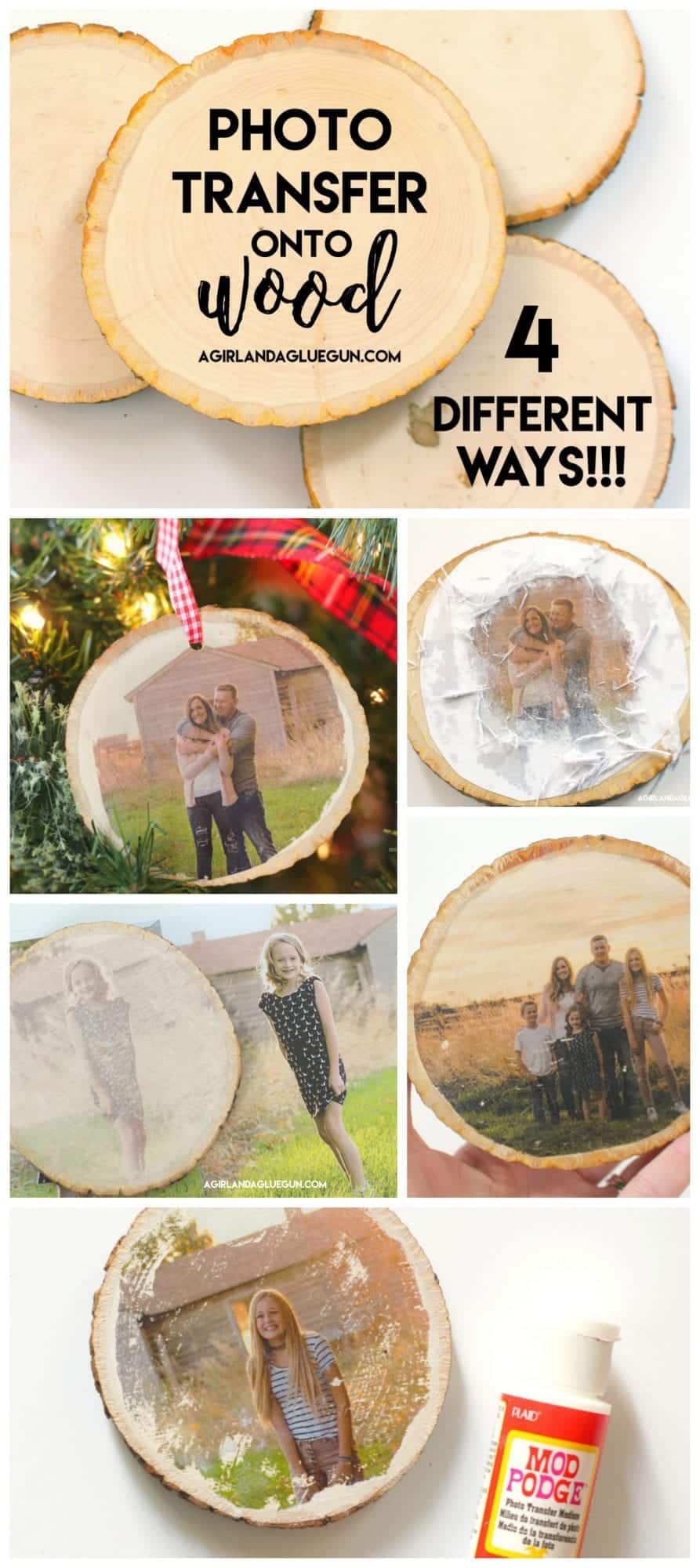
The Mod Podge method is one of the most popular and accessible, known for its ability to allow the wood grain to subtly show through the image, creating a beautifully integrated, rustic effect.
Supplies Needed:
- Prepared wood surface
- Laser-printed image (mirrored) on basic printer paper
- Mod Podge (regular, not specific “photo transfer medium” for this technique, though a dedicated medium is discussed below)
- Foam brush
- Rolling pin (optional, but highly recommended)
- Wax paper (to protect your work surface)
- Squirt bottle or wet washcloth
- Time (at least 24 hours for drying)
Step-by-Step Process:
- Coat the Wood with Mod Podge: Lay down wax paper to protect your work surface. Apply a generous, even coat of Mod Podge directly onto the wood surface using a foam brush. Ensure it covers the entire area where the image will sit. The coat should be thick enough for the paper to adhere firmly, but not so thick that it oozes excessively from the sides. Work relatively quickly as Mod Podge can dry fast.
- Apply the Image: While the Mod Podge is still wet, carefully align your mirrored image face-down onto the coated wood. This is a crucial step for alignment; once it’s down, repositioning is difficult. Some recommend using a piece of masking tape to hold one edge in place while you apply the Mod Podge and then smooth the paper down.
- Smooth Out Bubbles: Starting from the center and working outwards, firmly smooth out all air bubbles and wrinkles. A rolling pin is excellent for this, ensuring the paper is flush with the wood surface. Any areas with bubbles or uneven contact will result in lost image parts.
- The Waiting Game: This is arguably the hardest part: patience. The Mod Podge needs a minimum of 8 hours, but ideally 24 hours, to completely dry and cure. Do not rush this step; insufficient drying time will compromise the transfer.
- Remove the Paper Backing: Once fully dry, it’s time to reveal your image. Dampen the paper thoroughly using a squirt bottle of water or by laying a wet washcloth over it for a few minutes. The paper needs to be soaked.
- Gently Rub Away Paper: With a wet washcloth or your fingers, begin gently rubbing the paper away in circular or rolling motions. The paper will start to come off in small bits, leaving the ink transferred to the wood. Take your time, re-wetting the paper as needed. Rushing or rubbing too hard can remove the transferred ink. You’ll know you’re finished when no more white paper bits come away. Let it dry to identify any remaining hazy spots, then re-wet and rub again.
- Optional Edge Sanding: For a more organic, seamless look, you can gently sand the edges of the transferred image using an orbital sander or fine-grit sandpaper after it’s completely dry.
- Seal for Protection: After ensuring all paper residue is removed and the piece is dry, apply a final, even coat of Mod Podge over the entire transferred image to protect it. This will also make the photo appear more vibrant as it dries clear. Allow to dry completely.
3.2. The Heat Transfer Method: Precision with Pyrography Tools
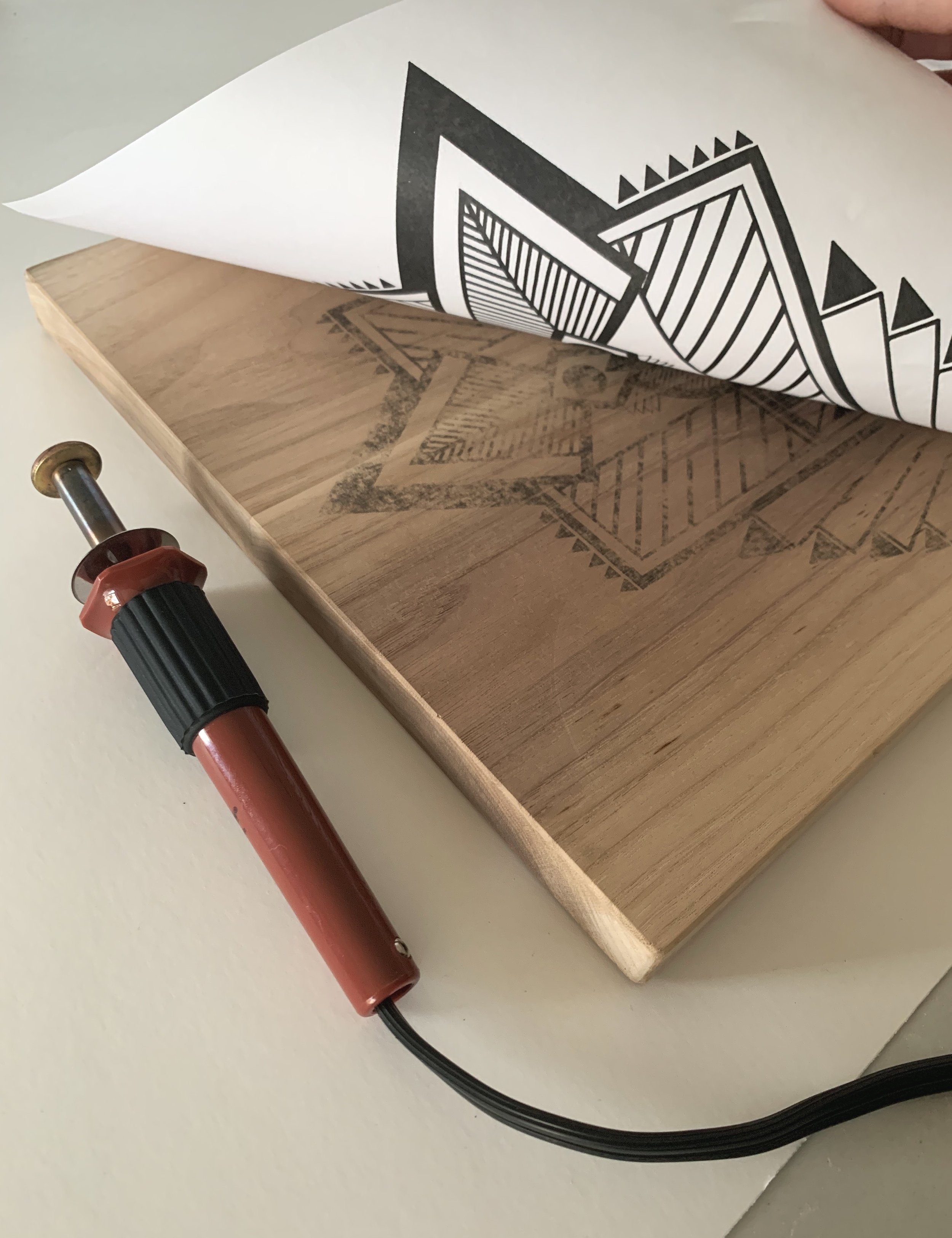
This method is favored for its speed and accuracy, especially for detailed designs or lettering. It uses heat to transfer laser-printed toner directly to the wood.
Supplies Needed:
- Prepared wood surface (sanded smooth, dry, clean, unfinished)
- Laser-printed design (mirrored, especially for text)
- Solid tip wood-burning tool (e.g., Walnut Hollow Versa Tool with a Transfer Nib/Point) or a regular iron (without steam)
- Masking tape
Step-by-Step Process:
- Prepare Design and Surface: Ensure your design is laser-printed and mirrored. Cut the design close to its edges for easier placement, leaving room for tape. Your wood surface must be smooth, dry, clean, and unfinished to allow the toner to adhere.
- Position and Secure: Place your design face-down onto the wood, ensuring it’s exactly where you want it. Secure one side (or multiple sides for larger designs) with masking tape to prevent shifting.
- Apply Heat: Heat your wood-burning tool to a medium-high setting. Test on a corner of the paper; it should be hot enough to transfer toner but not so hot that it burns the paper.
- Transfer the Image: Apply light, consistent pressure with the hot tool over the back of the design, moving continuously. The heat causes the toner to release from the paper and adhere to the wood.
- Check Progress: Periodically, carefully peel back a small section of the paper to check if the design has fully transferred. Be extremely careful not to shift the paper’s position, or your design will be misaligned. If the transfer is incomplete, re-secure the paper and apply more heat and/or pressure.
- Troubleshooting: If using a household iron, ensure the steam setting is OFF, as moisture will prevent the transfer. If you make a mistake or the design shifts, you can typically sand off the transferred lines with sandpaper and try again.
- Reusability: A single laser-printed design can often be used to transfer onto wood a couple of times, though the image will become lighter with each subsequent use.
3.3. The Freezer Paper Method: Quick and Distressed (Inkjet Friendly)
This method is remarkably simple and fast, producing a more distressed or faded look, and is particularly suited for inkjet printers.
Supplies Needed:
- Prepared wood surface (raw, unfinished, lighter woods work best)
- Inkjet-printed mirror image on freezer paper
- Paper cutter or scissors
- Credit card or similar smoothing tool
- Clear coat (lacquer or spray sealant recommended)
Step-by-Step Process:
- Prepare Freezer Paper: Cut a piece of freezer paper to the size of your printer paper (e.g., 8.5 x 11 inches). Ensure cuts are straight to prevent paper jams. The trick here is that the glossy, waxy side of the freezer paper will not absorb the ink.
- Print on Freezer Paper: Load the freezer paper into your inkjet printer so that the image prints onto the shiny, waxy side. The ink will sit on the surface rather than absorbing. (Note: Some users tape freezer paper to a standard sheet of paper to prevent jams).
- Immediate Transfer: As soon as the image is printed, carefully lay the freezer paper, ink side down, onto your roughed-up wood surface. This is a one-shot deal: do not reposition once placed, as the ink is still wet and will smudge.
- Smooth and Transfer: Holding the paper firmly in place with one hand, use a credit card or similar tool to smooth over the entire surface of the paper, applying gentle, even pressure. This transfers the wet ink to the wood.
- Peel Off Paper: Carefully peel off the freezer paper. The image should remain on the wood. If you’re unhappy with the result, the ink is superficially absorbed and can often be sanded off for another attempt.
- Seal for Protection: Once the ink is dry to the touch (which happens quickly), apply a clear coat. A spray clear coat is recommended to minimize smudging or bleeding of the ink. If the surface feels rough after drying, gently rub it down with a brown paper bag to smooth it without lifting the clear coat, then apply an additional clear coat if desired.
3.4. Silhouette Tattoo Paper Method: Crisp Results with a Twist
This method provides a crisp image quality while still allowing some wood grain to show through, offering a unique blend of clarity and natural texture. It requires a slightly different approach than traditional temporary tattoos.
Supplies Needed:
- Prepared wood surface
- Mod Podge (for sealing the wood first)
- Inkjet-printed image on Silhouette Tattoo Paper (follow manufacturer’s instructions for printing)
- Squirt bottle with water
Step-by-Step Process:
- Seal the Wood First: This is a crucial “twist” for success. Unlike other methods, you need to seal the wood first to create a smooth, less porous surface for the tattoo paper to release properly. Apply a coat of Mod Podge to your wood surface and let it dry completely (preferably 24 hours). This prevents the wood from absorbing the tattoo paper’s adhesive too quickly.
- Print and Cut Tattoo Paper: Print your mirrored image onto the Silhouette Tattoo Paper using an inkjet printer, following the product’s specific instructions. Cut the image down to size.
- Apply to Wood: Lay the printed tattoo paper (image side down, with its adhesive backing) onto the dry, Mod Podge-sealed wood surface. The paper won’t smudge easily at this stage, allowing for careful placement.
- Wet and Press (Don’t Rub): Lightly spray the back of the tattoo paper with water until it is damp. Then, gently press down. Avoid rubbing, as you would with a typical temporary tattoo. The goal is for the paper to “slide off” as the image adheres to the wood.
- Peel Off Backing: Carefully peel off the tattoo paper backing. The image should be cleanly transferred to the wood. The quality is often quite good, and you’ll still notice the wood grain showing through.
- Seal: After it dries, apply a protective clear coat (like Mod Podge) over the transferred image to ensure durability.
3.5. Dedicated Photo Transfer Medium: High-Quality Finish
Specialized photo transfer mediums are designed specifically for this purpose, often yielding the best photo quality results. However, they may allow less of the wood grain to show through and can sometimes be trickier to work with.
Supplies Needed:
- Prepared wood surface
- Laser-printed image (mirrored) on basic printer paper
- Mod Podge Photo Transfer Medium (or similar gel medium)
- Foam brush
- Squirt bottle or wet washcloth
Step-by-Step Process:
- Optional Pre-coat of Mod Podge: Some users find applying a thin coat of regular Mod Podge to the wood first, letting it dry for 24 hours, improves adhesion and prevents the photo from rubbing off during the paper removal stage when using a dedicated transfer medium. This creates a smoother, less porous base.
- Apply Transfer Medium: Apply a generous, even layer of the Mod Podge Photo Transfer Medium directly onto the image side of your laser-printed photograph. Ensure full coverage.
- Adhere to Wood: Place the medium-coated image face-down onto your prepared wood surface. Smooth out any bubbles or wrinkles, working from the center outwards.
- Cure Time: Allow the piece to dry completely for a full 24 hours. This is crucial for the medium to bond properly with both the image and the wood.
- Rub Off Paper: After thorough drying, dampen the paper backing with water. Gently rub away the paper in small sections. This method can sometimes be prone to the photo coming off with the paper if not enough medium was used or if the wood wasn’t pre-sealed. Take your time and be gentle.
- Seal: Once dry and all paper is removed, apply a protective clear coat to seal the image and enhance its longevity.
Each of these methods offers a unique artistic outcome. Experimenting with different techniques and images from Tophinhanhdep.com’s diverse collections, from Abstract designs to Beautiful Photography, can lead to endless Creative Ideas and personalized decor.
4. Finishing Touches and Preservation
Once your image is successfully transferred to wood, the final steps involve protecting your artwork and preparing it for display. This ensures its longevity and enhances its visual appeal.
Sealing for Durability
All transferred images, regardless of the method used, should be sealed to protect them from moisture, UV damage, and everyday wear and tear.
- Mod Podge: A final coat of Mod Podge (as suggested in many methods) works effectively as a sealant, drying clear and often enhancing the vibrancy of the image.
- Clear Coat Sprays: For a more professional finish or to avoid potential smudging from a brush, a clear spray lacquer or sealant is highly recommended. Apply in thin, even coats in a well-ventilated area. If the surface feels slightly rough after drying, a gentle rub with a brown paper bag can smooth it without compromising the clear coat, followed by an additional coat if desired.
Display and Integration
Consider how your finished piece will be displayed.
- Mounting: For larger pieces, adding picture wire or a stand to the back can turn your transfer into a ready-to-hang piece of wall art.
- Ornaments: For smaller wood slices, drilling a small hole and adding a ribbon transforms them into charming ornaments, ideal for special occasions or gifts. These can be particularly appealing when featuring Aesthetic or Nature photography.
- Framing: As one source suggests, even a simple, unpainted wood frame can beautifully complement the transferred image, allowing the raw beauty of the wood and the image to be the star. This aligns with Visual Design principles of highlighting the main subject.
Troubleshooting and Learning
Image transfer is a craft that often involves a learning curve. Don’t be discouraged by initial imperfections. Common issues include:
- Faded or Incomplete Transfers: Often due to insufficient pressure, improper drying time, or using the wrong printer/paper combination for the method.
- Bubbles or Wrinkles: Caused by trapped air or uneven application during the initial adherence stage.
- Image Rubbing Off: This can happen during the paper removal if the transfer medium wasn’t fully cured or if too much force was applied. As some experienced crafters suggest, a pre-coat of Mod Podge on the wood can sometimes remedy this, creating a smoother base.
Embrace these “imperfections” as part of the handmade charm, or use them as opportunities to refine your technique. Tophinhanhdep.com encourages this spirit of Creative Ideas and continuous learning in all forms of Digital Art and craft.
In conclusion, transferring images to wood is a fantastic way to blend Beautiful Photography and Visual Design with rustic craftsmanship. By selecting High Resolution images from Tophinhanhdep.com’s vast Image Inspiration & Collections, utilizing our Image Tools for perfect preparation, and mastering these diverse transfer techniques, you can create stunning, personalized pieces that capture the essence of your chosen visuals and the unique beauty of wood. Whether for personal enjoyment, thoughtful gifts, or expanding your artistic repertoire, the art of image transfer to wood is a journey of creativity and rewarding results.