How to Get Your Pictures Indexed and Discovered on Google Images
While you can’t directly “upload” a picture to Google Images in the same way you might upload a file to a cloud storage service, the process of making your visual content discoverable by Google’s powerful search engine is a strategic endeavor. Google Images functions as an index, scanning and cataloging images from websites, social media platforms, and various online repositories. For your photographs, illustrations, and designs to appear in relevant search results, they must first exist on a publicly accessible web page that Google’s crawlers can access and understand.
At Tophinhanhdep.com, we understand that every image tells a story, whether it’s a stunning piece of nature photography, an evocative abstract wallpaper, or a meticulously crafted digital art creation. Our platform is dedicated to helping you not only create and refine these visuals but also ensure they reach the widest possible audience. This comprehensive guide will delve into the essential methods and best practices for optimizing your images for Google Images, drawing on the vast resources and topics available at Tophinhanhdep.com, from high-resolution photography tips to advanced image tools and visual design insights.

Strategies for Google Image Discoverability
Getting your images noticed by Google requires more than just putting them online; it demands a thoughtful approach to how and where they are hosted, described, and shared. This involves understanding Google’s indexing mechanisms and catering to them.
Making Google Drive Photos Public for Wider Reach
One of the most straightforward ways to make your images visible to Google’s search algorithms is by utilizing Google Drive and explicitly setting your photos to be publicly accessible. While Google Drive is primarily a personal cloud storage service, its integration with Google’s ecosystem allows for a pathway to indexation. This method is particularly useful for individuals looking to share specific images without the need for a dedicated website, or for those who use Google Drive as a central repository for their visual assets before wider distribution.
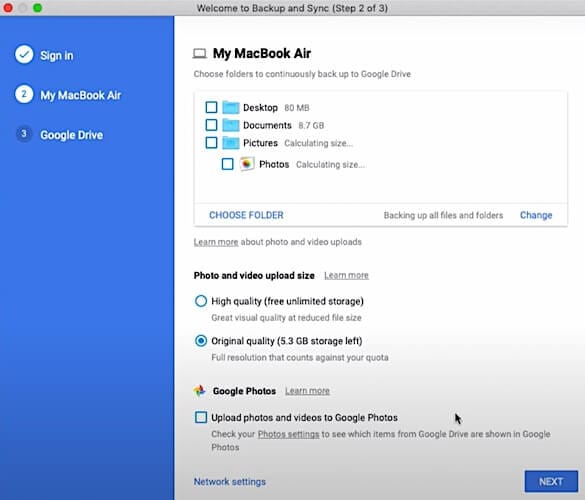
To make an image public in Google Drive and increase its chances of appearing in Google Images, follow these steps:
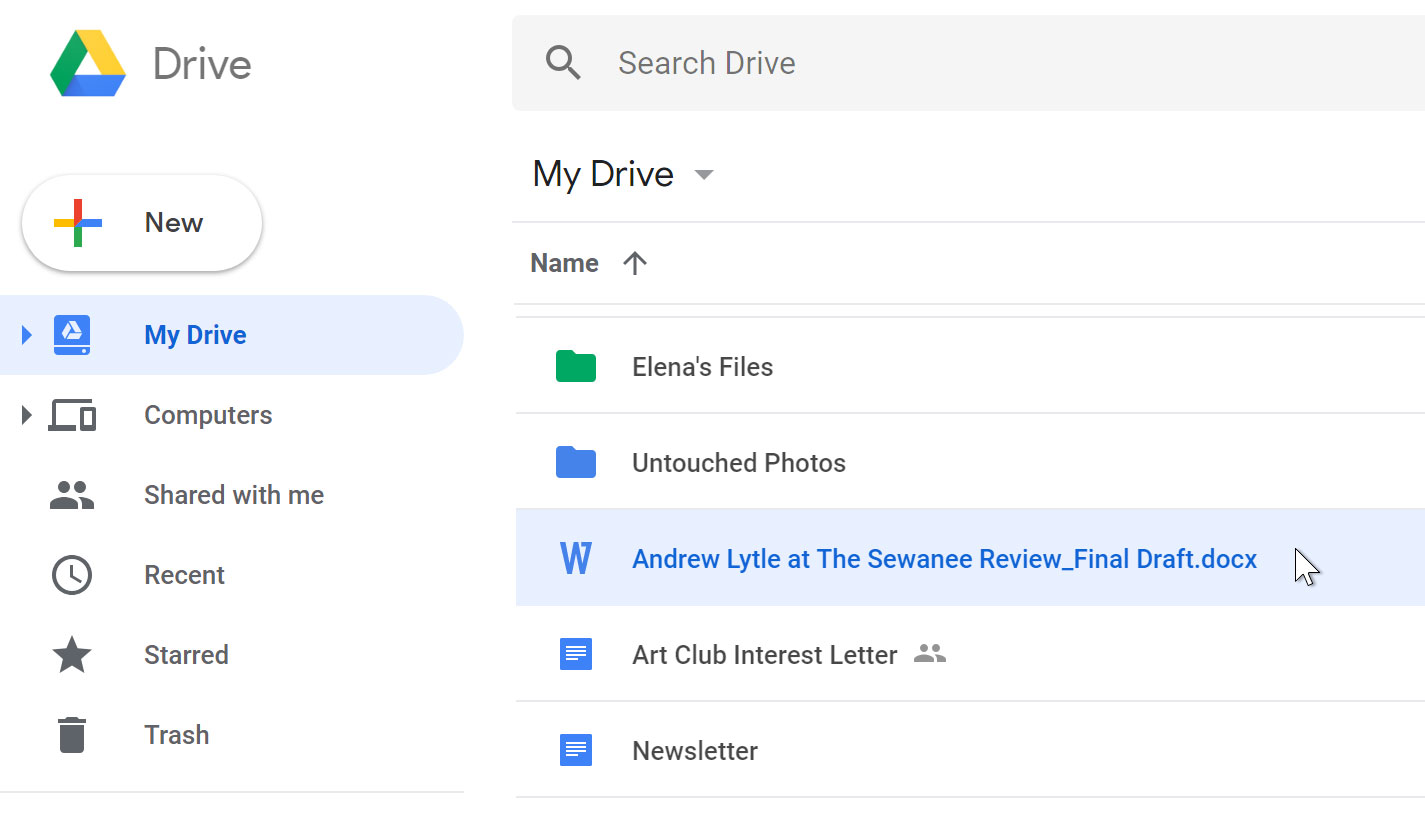
- Open Google Drive: Navigate to Google Drive in your web browser.
- Locate Your Image: Go to the folder containing the photo you wish to share publicly and select the picture file. This could be any image from your collection, perhaps a breathtaking piece of “Nature” photography you’re proud of, an “Aesthetic” background you’ve designed, or a “Beautiful Photography” shot you want the world to see.
- View Details: Select the ‘View details’ option, often represented by a round icon with the letter ‘i’ inside. This pane provides crucial metadata about your file.
- Add a Description: In the ‘Details’ tab, find the option to ‘Add a description’ (usually with a pencil icon). This is a critical step for SEO. Enter relevant keywords that accurately describe your picture. If it’s a “Sad/Emotional” image, use terms that convey that mood. If it’s an “Abstract” wallpaper, describe its colors, shapes, and overall feeling. The more descriptive and keyword-rich your text, the better Google can understand and categorize your image.
- Initiate Sharing: With the photo still selected, click on the ‘Share’ icon, typically an icon of a person with a plus sign.
- Access Advanced Sharing Settings: In the ‘Share with others’ dialog box, select ‘Advanced’ or ‘Change’ (depending on the interface version) to access granular sharing controls.
- Set Public Visibility: Under the ‘Who has access’ section, choose ‘Change’ and then select the option ‘On - Public on the web.’ This makes your image discoverable by anyone with the link and by search engines.
- Define Access Level: Ensure the ‘Access’ option is set to ‘Can view.’ This allows others to see your image but not modify it.
- Save Changes: Click ‘Save’ to apply these settings.
- Copy Sharing Link: In the ‘Sharing settings’ dialog box, copy the provided sharing link. This link is your direct route to promoting your image.
- Distribute the Link: Share this link widely across your social media profiles, embed it in your email signature, post it on your website, or include it in newsletters. The more widely this public link is distributed, the more signals Google receives about its importance and relevance, increasing its chances of appearing in search results.
- Finalize: Select ‘Done.’
By diligently following these steps, you transform a private Google Drive asset into a publicly accessible, indexed image, significantly boosting its potential for discovery through Google Images.
Leveraging Your Website for Image Visibility
For serious photographers, designers, and content creators, owning a website is arguably the most powerful method for getting images indexed and controlling their presentation in search results. A dedicated website, or even a blog hosted on a platform like Blogger (a Google-owned service) or Tophinhanhdep.com’s publishing tools, gives you full control over image optimization and context. When Google indexes your site, it finds your pictures and adds them to its vast search database.
Here’s how to effectively upload and optimize images on your website or blog:
- Choose Your Platform: If you don’t have your own website, consider starting a blog on a platform like Blogger or creating a site using Google Sites. Alternatively, Tophinhanhdep.com provides publishing features where you can host your visual content within articles, collections, or portfolios, ensuring it’s SEO-friendly from the start.
- Insert Your Image: Open the page or post where you want to add the photo. For example, an ‘About’ page is excellent for your profile picture and descriptive text that includes your name as a keyword, aligning with “Digital Photography” best practices. Select the ‘Insert image’ option (usually a small picture icon).
- Upload and Add: In the ‘Add Images’ dialog box, locate and select your photo from your computer. Click ‘Add selected’ to insert it into your page. Tophinhanhdep.com supports various image formats and encourages the upload of “High Resolution” images for maximum impact.
- Edit Image Properties (Crucial for SEO): Once the photo is inserted, select it to display a menu of commands, then choose ‘Properties.’ In the ‘Image Properties’ dialog box, you will typically find fields for ‘Title text’ and ‘Alt text.’
- Alt Text (Alternative Text): This is paramount for image SEO. Alt text provides a textual description of the image for visually impaired users and for search engines that cannot “see” the image. Use descriptive keywords that accurately explain the image’s content and context. For instance, if it’s a “Nature” shot of a mountain range at sunset, your alt text might be “Panoramic view of the [Mountain Range Name] mountains at sunset with vibrant orange and purple hues.” This helps Google understand the image’s relevance to search queries.
- Title Text: While less impactful for SEO than alt text, the title text can provide additional context and improve user experience when hovering over the image. Ensure it’s concise and relevant.
- Add a Caption: Select the photo again and choose ‘Add caption.’ Delete any default text and write a compelling caption that describes the image and, importantly, includes your keywords. A caption like “This stunning piece of ‘Beautiful Photography’ captures the serene beauty of the [Location] at dawn, ideal for ‘Backgrounds’ or ‘Wallpapers’,” can significantly boost its search visibility.
- Adjust Size and Position: Most platforms allow you to change the photo size (e.g., Small, Medium, Large, X-Large) and its position (Left, Center, Right). While these don’t directly impact SEO, they improve user experience, which indirectly benefits SEO. Tophinhanhdep.com emphasizes maintaining image quality even when resizing, advocating for tools like our “Optimizers” and “AI Upscalers.”
- Publish and Share: After optimizing your images, publish your web page or blog post. Then, actively share your content. The sooner Google finds your page and its optimized images, the faster they can be indexed.
Optimizing Images for Search Engines
Beyond the technical steps of uploading, the actual content and metadata surrounding your images are what truly determine their discoverability. Effective image optimization integrates seamlessly with the comprehensive resources offered by Tophinhanhdep.com, ensuring your visuals stand out.
Here are general guidelines and best practices:
- Keyword-Rich File Names: Before you even upload an image, name the file strategically. Instead of
IMG_001.jpg, rename it to something descriptive likebeautiful-mountain-sunset-wallpaper.jpgorabstract-geometric-background-design.png. If you want your pictures to appear when people search for your name, use your name as a keyword in the file name, e.g.,john-doe-portrait-photography.jpg. - Descriptive Alt Text: As discussed, this is paramount. Every image on your website should have descriptive alt text that accurately describes the image and includes relevant keywords. Tophinhanhdep.com champions the use of detailed alt text to enhance accessibility and search engine understanding.
- Compelling Photo Captions: Captions provide context and encourage engagement. Use them to further describe the image and reinforce your keywords. A well-written caption can provide additional search signals to Google.
- High-Quality, Optimized Images: Google prioritizes high-quality visuals. However, “high-quality” doesn’t mean “largest file size.” Large files slow down your website, hurting user experience and SEO.
- Resolution: Aim for images that are clear, crisp, and appropriately sized for their display area. Tophinhanhdep.com provides access to numerous “High Resolution” images and guides on maintaining quality.
- File Size: Use “Image Tools” like compressors and optimizers (available through Tophinhanhdep.com) to reduce file size without significantly compromising visual quality. WebP and AVIF formats often offer better compression than JPEG or PNG.
- Structured Data: For advanced optimization, consider using structured data (Schema.org markup) to provide more context about your images, such as details about products, recipes, or articles they belong to.
- Image Sitemaps: An image sitemap specifically lists the images on your site, helping Google discover images that might not be found through regular crawling.
Enhancing Your Visual Content with Tophinhanhdep.com’s Expertise
Tophinhanhdep.com isn’t just a place for showcasing images; it’s a comprehensive resource designed to elevate your visual content at every stage, from creation to optimization and widespread distribution. Our suite of “Image Tools” and focus on “Visual Design” are integral to making your pictures not only beautiful but also discoverable.
Harnessing Image Tools for Perfection
The journey from a raw photograph to a search-engine-friendly image often involves several crucial processing steps. Tophinhanhdep.com’s “Image Tools” are built to facilitate this, addressing common challenges and enhancing image quality and compatibility.
- Converters: Different platforms and web standards prefer specific image formats. Our image converters allow you to seamlessly change formats (e.g., JPEG to WebP, PNG to AVIF) to optimize for web performance and compatibility, ensuring your images load quickly and display correctly across all devices.
- Compressors: As mentioned, file size is a critical factor for website speed and user experience. Our image compressors intelligently reduce file size without noticeable loss of quality, striking the perfect balance between visual fidelity and performance. This ensures your “High Resolution” photography remains impactful even after optimization.
- Optimizers: Image optimizers go beyond simple compression, often fine-tuning other aspects of an image, like metadata and color profiles, to ensure it’s perfectly geared for web display and fast loading, enhancing its appeal as “Wallpapers” or “Backgrounds.”
- AI Upscalers: Sometimes you have a great image, but its resolution is too low for certain applications or display sizes. Tophinhanhdep.com’s “AI Upscalers” leverage artificial intelligence to intelligently increase image resolution, adding detail and clarity without the pixelation typically associated with standard upscaling. This is invaluable for repurposing older images or enhancing “Stock Photos” for new uses.
- Image-to-Text (OCR): While not directly for image upload, our image-to-text tools are relevant for accessibility and content generation. They can extract text from images, which can then be used in alt tags, descriptions, or accompanying article content, providing even more textual context for search engines and enriching the information around your “Digital Photography.”
By leveraging these advanced tools, Tophinhanhdep.com empowers creators to prepare their images to the highest standards, ensuring they are not only visually appealing but also technically optimized for maximum online visibility.
Crafting Compelling Visual Design
The aesthetic quality and effective “Visual Design” of your images play a significant role in user engagement, which indirectly influences their search ranking. A visually compelling image is more likely to be clicked, shared, and linked to, sending positive signals to Google. Tophinhanhdep.com offers insights and resources across several design disciplines:
- Graphic Design: Whether it’s creating a striking “Aesthetic” image for social media or designing informative visuals for an article, good graphic design principles—such as composition, color theory, and typography—make your images more attractive and effective.
- Digital Art: For artists, uploading “Digital Art” means ensuring the highest fidelity representation of their work. Proper formatting, high resolution, and accurate color profiles are essential for showcasing these unique creations.
- Photo Manipulation: The art of “Photo Manipulation” can transform ordinary photos into extraordinary visuals, making them highly shareable and memorable. When done skillfully, it can create unique “Creative Ideas” that capture attention.
- Creative Ideas: Tophinhanhdep.com is a hub for “Creative Ideas,” encouraging users to explore different styles, themes, and techniques in their visual content. Originality and visual impact are key drivers of online engagement and, consequently, discoverability.
By focusing on these aspects of visual design, your images transcend mere photographs to become powerful communication tools that resonate with audiences and captivate search engines.
Expanding Your Image Footprint Through Strategic Sharing
Once your images are beautifully crafted and technically optimized, the next step is to amplify their reach through strategic sharing. The more places your images and their links appear, the greater the chance Google will crawl, index, and rank them.
The Power of Social Media and Online Platforms
Social media platforms are incredibly powerful for driving traffic and signaling relevance to search engines. When your images are shared widely, they gain authority.
- Profile Pictures: Adding your professional profile picture to all your social media accounts (like YouTube, Pinterest, Instagram, and LinkedIn) and maintaining a consistent name across all platforms makes it easier for Google to associate your visual identity with your online presence. This is particularly effective for personal branding.
- Image-Centric Platforms: Platforms like Pinterest and Instagram are inherently image-focused and rank very well in Google’s image search results. Sharing your “Wallpapers,” “Backgrounds,” “Aesthetic” shots, and “Beautiful Photography” here, accompanied by relevant hashtags and descriptions, can lead to significant exposure.
- Consistent Branding: When creating your profiles and adding your pictures, use the same name, handles, and branding elements across all social media to create a unified online identity. This consistency helps Google connect your various accounts and content, making your images more authoritative.
- Tophinhanhdep.com’s Sharing Features: Our platform integrates seamlessly with major social media channels, allowing you to easily share your curated “Image Inspiration & Collections,” “Photo Ideas,” and “Thematic Collections,” broadening their exposure and attracting new audiences.
Publishing Articles and Curated Collections
Beyond social media, strategic content creation on blogs and information sites can significantly boost your image’s visibility.
- Guest Posts and Author Profiles: Websites that accept guest posts often provide authors with a profile page featuring a bio and profile picture. Utilize this space wisely by including keywords in your bio, and ensuring your profile picture has proper alt text and a descriptive caption. This allows your “Digital Photography” or “Graphic Design” work to be associated with your expertise.
- Blog Articles: Regularly publishing blog articles featuring your images, particularly those related to “Photography” techniques, “Visual Design” tutorials, or showcasing “Trending Styles,” can establish your authority. Each image within these articles should be fully optimized with alt text, captions, and appropriate file names.
- Thematic Collections and Mood Boards: Tophinhanhdep.com specializes in “Image Inspiration & Collections,” offering a platform to curate “Mood Boards” and “Thematic Collections.” When you create and share these collections, ensure they are well-described with relevant keywords. For example, a collection of “Sad/Emotional” images or “Nature” wallpapers can be optimized as a coherent unit, attracting users interested in those specific themes. The more organized and contextually rich your collections are, the better Google can index them.
Tophinhanhdep.com: Your Hub for Visual Content Excellence
At Tophinhanhdep.com, we embody all the principles outlined above, providing a holistic ecosystem for visual content creators and enthusiasts alike. We offer:
- A Diverse Image Library: Explore and contribute to our vast collection of “Images,” ranging from stunning “Wallpapers” and “Backgrounds” to captivating “Aesthetic,” “Nature,” “Abstract,” “Sad/Emotional,” and “Beautiful Photography.” Each image is curated for quality and discoverability.
- Photography Resources: Gain insights into “High Resolution” photography, find quality “Stock Photos,” and delve into the nuances of “Digital Photography” and various “Editing Styles.” Our guides help you capture and refine your shots for maximum impact.
- Advanced Image Tools: Access essential “Image Tools” like “Converters,” “Compressors,” “Optimizers,” and “AI Upscalers” to ensure your images are perfectly prepared for the web. Our “Image-to-Text” feature further enriches your content with accessible descriptions.
- Visual Design Inspiration: Foster your creativity with resources on “Graphic Design,” “Digital Art,” “Photo Manipulation,” and a plethora of “Creative Ideas.” Learn to design visuals that not only look good but also perform well in search.
- Image Inspiration & Collections: Discover “Photo Ideas,” build “Mood Boards,” explore “Thematic Collections,” and stay ahead with “Trending Styles.” Our platform is designed to inspire and equip you to create the next viral image.
It takes time and consistent effort for your photos to appear prominently in Google’s search results. While you’re waiting for your images to gain traction, don’t become complacent. Continuously post new, optimized pictures, share them across your social media accounts and within Tophinhanhdep.com’s communities, create fresh blog posts that integrate your visuals, and actively work to increase your overall online presence. Every new, well-optimized image is another opportunity for discovery.
By integrating the comprehensive resources and best practices offered by Tophinhanhdep.com into your strategy, you can significantly enhance the chances of your visual content being indexed, discovered, and appreciated by a global audience through Google Images. Start your journey with us today and transform how your images are seen online.