/images/avatar.png

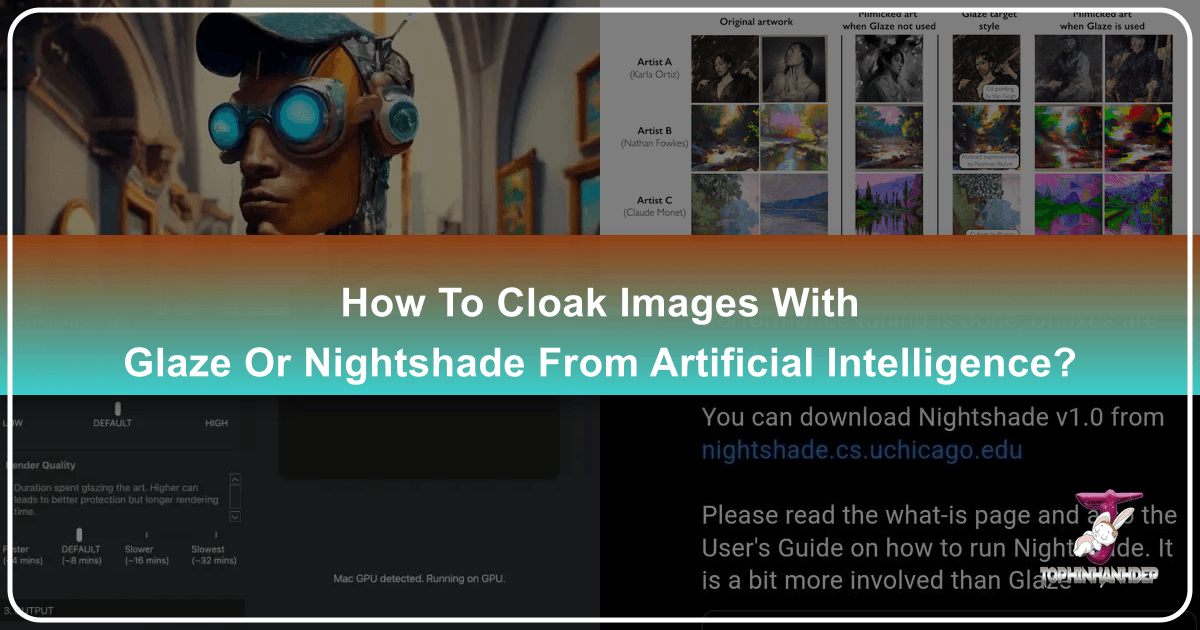
Cloaking Your Visual Masterpieces: Protecting Images from AI Scrapers with Glaze and Nightshade on Tophinhanhdep.com

In an era increasingly defined by artificial intelligence, the digital landscape is undergoing a profound transformation. While AI offers incredible potential for innovation and creativity, it also presents unprecedented challenges, particularly for visual artists and content creators. The practice of AI models “scraping” vast amounts of online content – including wallpapers, backgrounds, aesthetic images, nature photography, abstract art, and beautiful photography – without consent or compensation, has ignited a fierce debate about intellectual property and the future of digital artistry. As a platform dedicated to the beauty and utility of images, Tophinhanhdep.com recognizes the critical importance of safeguarding artistic endeavors and empowering creators. This article explores two groundbreaking defensive tools, Glaze and Nightshade, developed by University of Chicago computer science professor Ben Zhao and his team, and how they offer a crucial line of defense for artists and content shared on platforms like Tophinhanhdep.com.
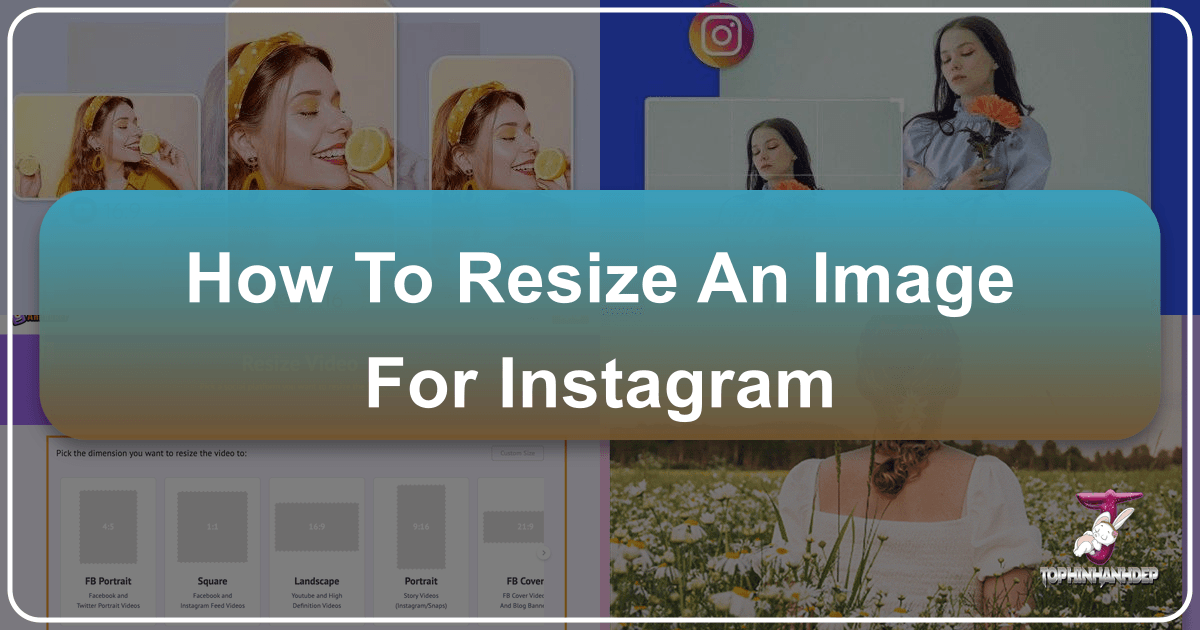
How to Resize an Image for Instagram: Your Ultimate Guide to Perfect Visuals

Instagram stands as the undisputed champion of visual storytelling, a vibrant tapestry woven from billions of images and videos shared daily. From stunning “Beautiful Photography” to captivating “Digital Art,” users rely on this platform to showcase their creativity and connect with audiences. However, the sheer volume and diversity of content formats on Instagram—ranging from square feed posts to vertical Stories and Reels, and landscape or portrait IGTV videos—often lead to confusion regarding optimal image and video dimensions.

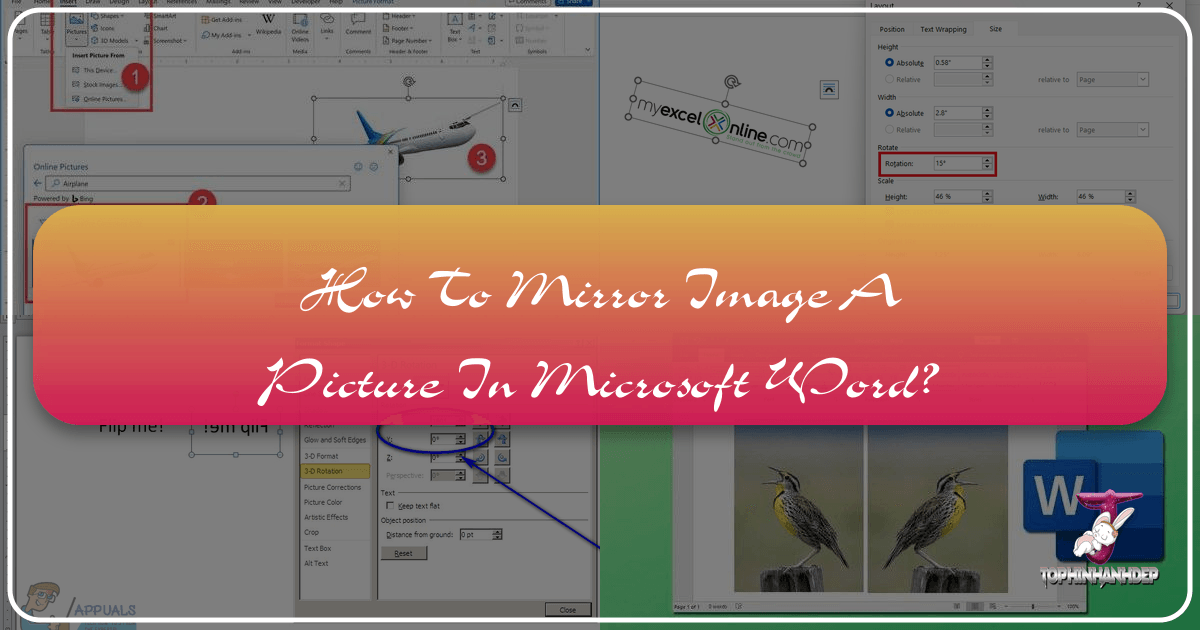
How to Mirror Image a Picture in Microsoft Word: A Comprehensive Guide to Visual Design and Photo Manipulation

In the realm of digital document creation and visual communication, Microsoft Word stands as a ubiquitous tool. While often perceived primarily for text processing, its capabilities extend significantly into basic image manipulation, offering features that can profoundly impact the visual aesthetics and design of your documents. One such powerful yet often overlooked feature is the ability to mirror, or flip, an image. This technique is invaluable for anyone looking to enhance their documents, presentations, or even personal creative projects. Whether you’re aiming for perfect symmetry, preparing visuals for specific applications like iron-on transfers, or simply adjusting an image to fit a particular layout, understanding how to mirror an image in Word is a fundamental skill.

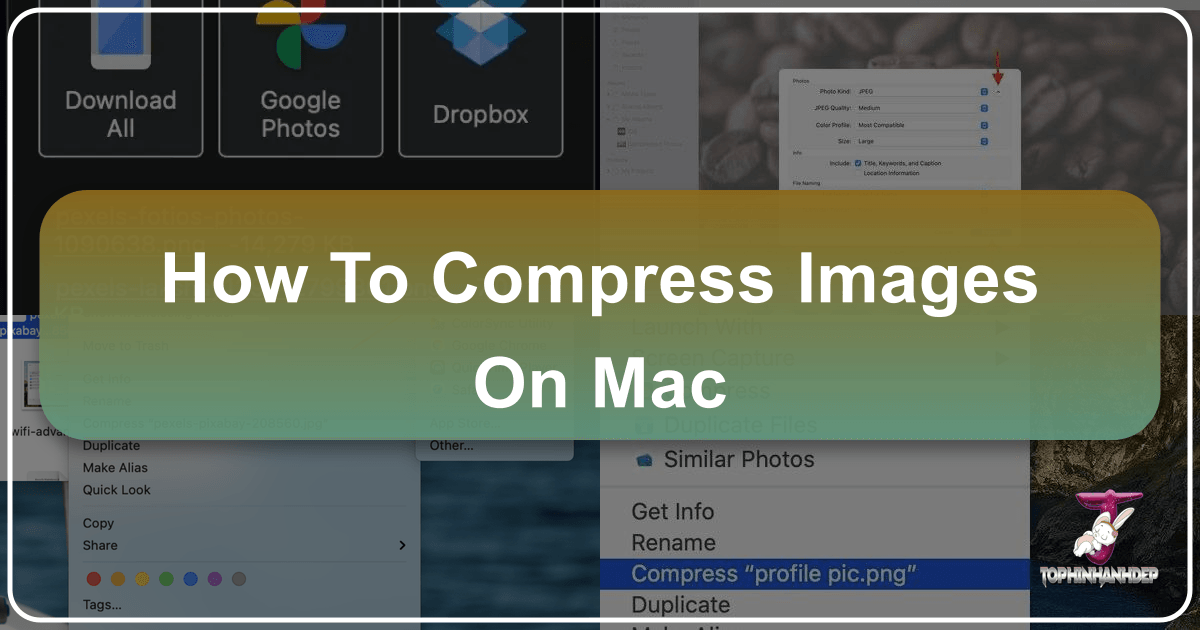
Mastering Image Compression on Mac: Your Guide to Smaller Files, Bigger Impact

In an era defined by stunning visuals and high-resolution photography, our digital lives are increasingly filled with images. From captivating wallpapers and aesthetic backgrounds to intricate digital art and beautiful nature photography, our Mac devices become repositories for vast collections. While this abundance of visual content enriches our experience, it also presents a common challenge: ever-growing file sizes. High-resolution images, especially those captured with modern cameras or meticulously crafted in graphic design software, can quickly consume precious storage space on your Mac, iCloud, or external SSDs. Moreover, large image files can significantly slow down website loading times, make sharing via email or messaging cumbersome, and generally impede efficient digital workflow.

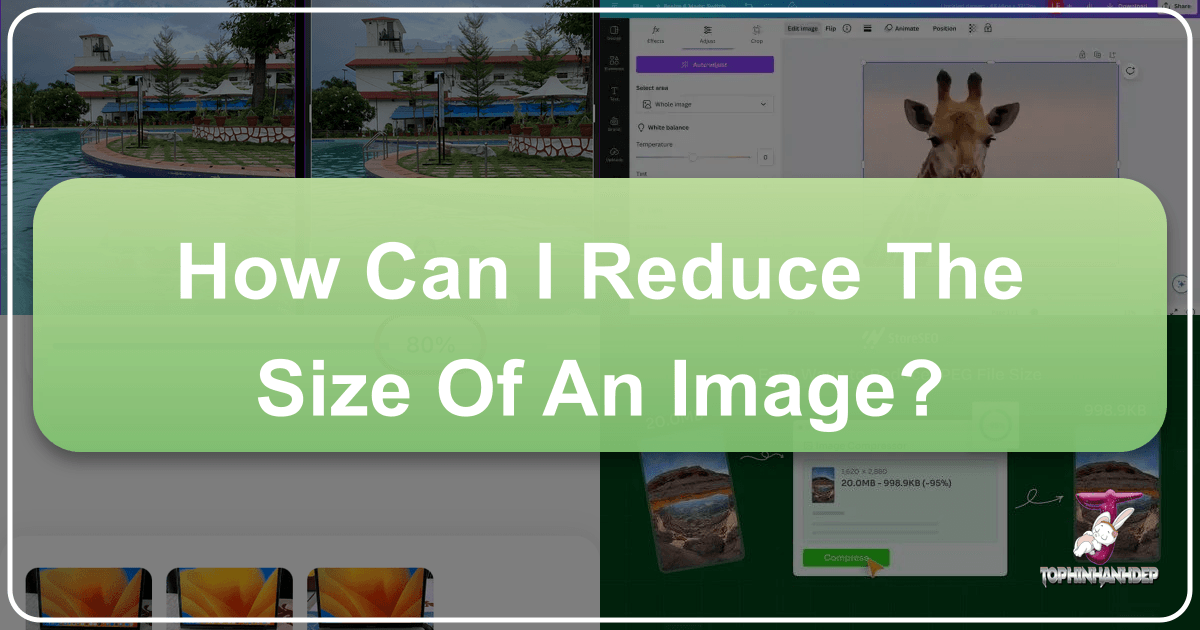
How Can I Reduce the Size of an Image?

In our visually-driven world, images are everywhere. From captivating wallpapers and aesthetic backgrounds that personalize our devices to high-resolution photography gracing professional websites, visual content is paramount. However, the pursuit of stunning clarity and vibrant detail often comes with a hidden cost: large image file sizes. These bulky files can be a silent adversary, slowing down websites, consuming precious storage space, and making seamless sharing a frustrating challenge. Fortunately, understanding how to reduce image size is a fundamental skill for anyone interacting with digital visuals, whether you’re a professional photographer, a web designer, a digital artist, or simply someone who loves sharing beautiful images.

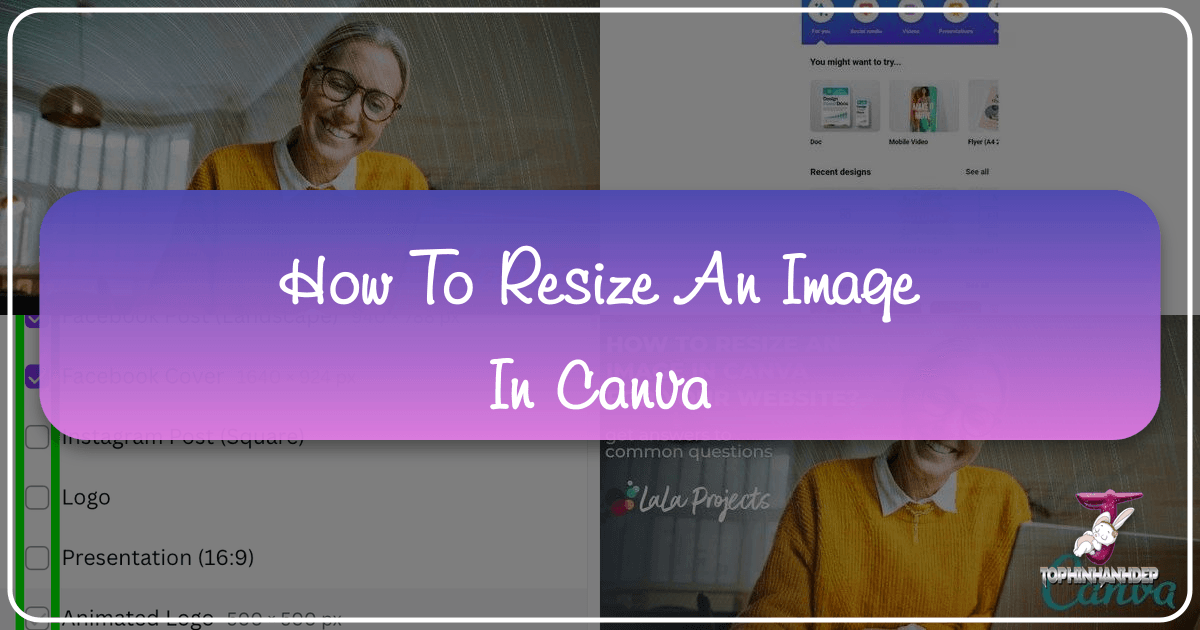
How to Resize an Image in Canva: Optimizing Your Visuals for Every Platform with Tophinhanhdep.com

In today’s visually-driven digital landscape, the ability to effectively manage and manipulate images is no longer a niche skill but a fundamental requirement for anyone engaged in content creation, digital marketing, or graphic design. From crafting stunning wallpapers and captivating backgrounds to curating aesthetic photography, the quality and presentation of your visuals significantly impact audience engagement. Among the myriad of tools available, Canva stands out as an exceptionally user-friendly platform, empowering millions to create breathtaking designs without needing extensive professional training. However, one of the most frequently encountered challenges, and indeed one of the most critical aspects of image preparation, is resizing.