Understanding "Licensable" on Google Images: A Guide for Creators and Users on Tophinhanhdep.com
In the vast ocean of digital imagery, where billions of pictures are just a click away, the concept of ownership and usage rights often gets lost. For years, finding an image on Google Images and using it for personal or commercial projects without understanding its legal implications was a common practice, inadvertently leading to widespread copyright infringement. This challenge significantly impacted photographers and artists who saw their work commodified and used without permission or compensation. Recognizing this critical issue, Google, in collaboration with industry leaders like the Center of the Picture Industry (CEPIC) and the International Press Telecommunications Council (IPTC), launched a groundbreaking feature in August 2020: the “licensable” image label and filter in Google Image Search. This initiative marked a pivotal moment, aiming to bring clarity to image licensing and empower creators while guiding users toward ethical and legal image acquisition.
On Tophinhanhdep.com, a platform dedicated to the world of images, photography, and visual design, understanding what “licensable” truly means is not just a legal necessity but a cornerstone of responsible creation and consumption. From stunning wallpapers and aesthetic backgrounds to high-resolution stock photos and inspiring digital art, the principle of licensing underpins the value and integrity of every visual asset. This comprehensive guide will delve into the intricacies of Google’s “licensable” feature, its implications for both creators and users, and how Tophinhanhdep.com stands as a vital resource in navigating this evolving digital landscape.

The Dawn of Image Licensing Awareness: What “Licensable” Means
The introduction of the “licensable” badge on Google Images was a direct response to the long-standing issue of digital images being freely appropriated without regard for their creators’ rights. Prior to this, users often found it difficult to ascertain whether an image was free to use, required attribution, or needed to be purchased. Google’s move aimed to demystify this process, providing clear signals directly within the search results.
Google’s Initiative: Protecting Creators and Guiding Users
At its core, Google’s “licensable” badge is an effort to re-establish the value of digital photography and visual art. For countless photographers and digital artists, their livelihood depends on the ability to license their work. However, the ease with which images could be copied and distributed online often circumvented traditional licensing models. Google’s initiative sought to address this by:
- Increasing Awareness: By explicitly labeling images as “licensable,” Google brought the concept of copyright and licensing to the forefront of everyday image searches. This simple visual cue encourages users to consider the legal status of an image before using it.
- Empowering Creators: The feature provides a direct pathway for creators to get paid for their work. It helps prevent accidental image theft by making licensing information readily accessible, potentially increasing revenue streams for artists and photographers who host their portfolios on platforms like Tophinhanhdep.com.
- Facilitating Ethical Use: For users, the badge acts as a clear indicator that an image comes with specific usage requirements. It guides them towards proper acquisition channels, whether that involves purchasing a license, adhering to Creative Commons terms, or contacting the owner directly.
This shift represents a significant step towards fostering a more respectful and sustainable ecosystem for digital content creators, reinforcing the idea that visual assets, from beautiful landscape photography to intricate abstract designs, hold inherent value and intellectual property rights.
The Licensable Badge and Usage Rights Filter
The “licensable” feature manifests in two primary ways within Google Image Search: a visual badge and an enhanced search filter.
The Licensable Badge: When a publisher or image creator provides the necessary licensing information for an image, Google displays a “licensable” badge directly over the image thumbnail in the search results. This small, yet impactful, icon serves as an immediate visual signal. Upon selecting a badged image, the Google Image Viewer expands to reveal more detailed information. This typically includes:
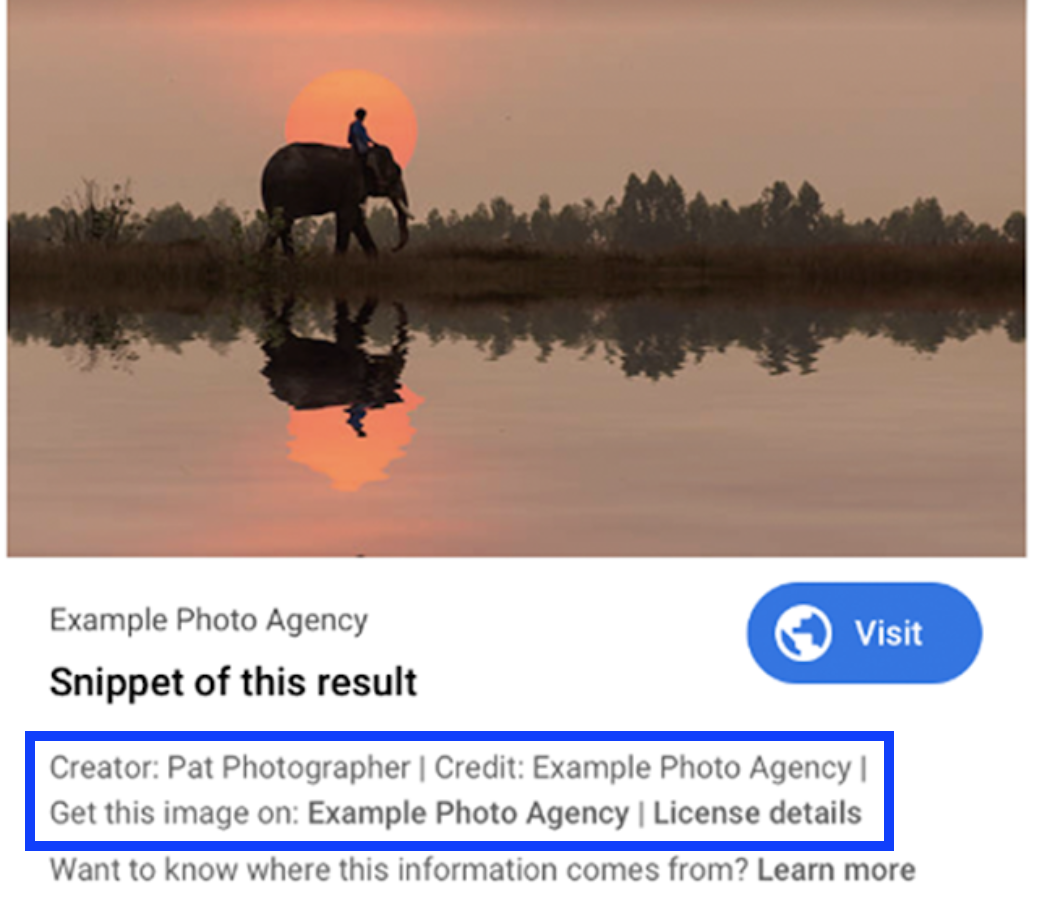
- A Link to License Details: This URL directs users to a page that describes the specific terms and conditions governing the image’s use. This could be a detailed legal document, a Creative Commons license explanation, or a concise summary of permissions.
- A Link to Purchase/License the Image: If provided by the publisher, a second link offers a direct pathway to acquire or purchase a license for the image. This could lead to a stock photo website, a photographer’s personal shop, or a licensing platform. For creators showcasing their high-resolution images or stock photos on Tophinhanhdep.com, these links become crucial for converting interest into legitimate acquisitions.
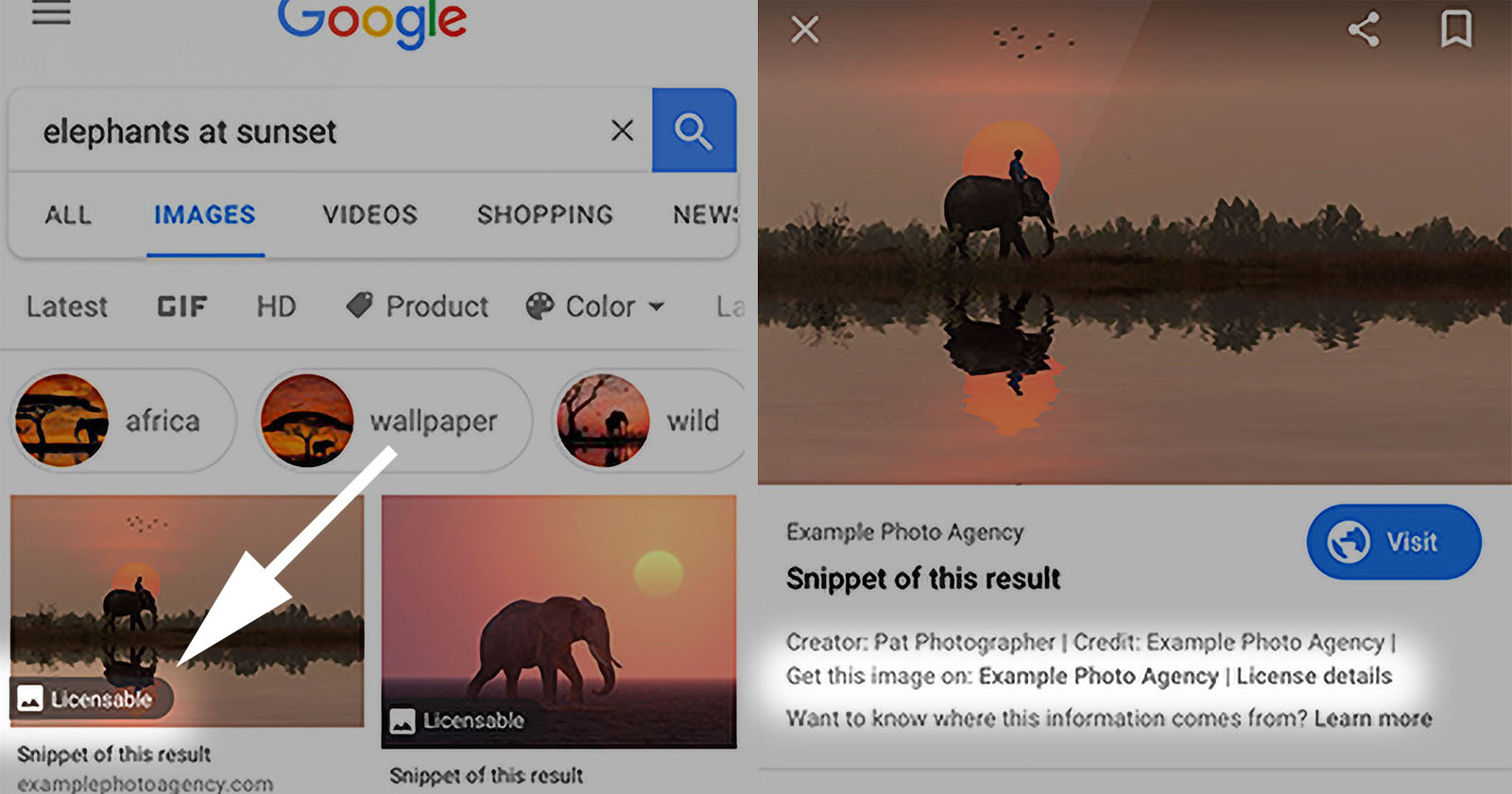
The New Usage Rights Filter: Alongside the badge, Google also revamped its “Usage rights” search filter. Previously, this filter offered more generic categories. The updated filter provides two distinct options, allowing users to narrow their searches:
- Creative Commons licenses: This option helps users find images that are generally free to use, provided they adhere to the specific terms of a Creative Commons license (e.g., attribution required, non-commercial use). This is particularly useful for bloggers, students, or small businesses seeking visuals without a direct monetary exchange.
- Commercial & other licenses: This filter is designed for users specifically looking for images that can be licensed for commercial purposes or have other explicit licensing requirements, typically involving a fee. This is invaluable for graphic designers, marketing professionals, and content creators who need legally clear images for their projects, whether it’s an abstract background for an ad campaign or a stunning nature photograph for a publication.
These tools collectively streamline the process of finding and acquiring images responsibly, making Google Images a more accountable and transparent platform for visual content.
The Role of Structured Data and Metadata
The engine powering Google’s “licensable” feature is structured data and embedded metadata. For an image to display the “licensable” badge and its associated links, creators and publishers must provide this information in a machine-readable format. Google supports two primary standards for this:
- Schema.org Markup: This is a set of schemas that webmasters can use to mark up their web pages in ways that search engines understand. For images, specific Schema.org properties (like
licenseandacquireLicensePagewithin anImageObject) can be embedded into the HTML of the web page where the image is displayed. - IPTC Metadata Formats: The International Press Telecommunications Council (IPTC) is a global consortium that develops and maintains technical standards for news and media. Their Photo Metadata Standard allows image creators to embed critical information directly into the image file itself. Key IPTC fields that Google recognizes include:
- Creator: The name of the photographer or entity that created the image.
- Copyright Notice: Legal copyright information for the image.
- Credit Line: The specific text required when the image is published.
- Web Statement of Rights: A URL pointing to the image’s licensing details.
- Licensor URL: A URL where the image can be purchased or licensed.
These metadata fields are crucial because they travel with the image file, providing persistent information about its origin and usage rights, even if the image is downloaded and re-uploaded elsewhere (though this is not guaranteed for all platforms). Tophinhanhdep.com strongly encourages its users and contributors to meticulously embed accurate IPTC metadata, ensuring that their beautiful photography and digital art receive proper recognition and protection across the web.
For Image Creators: Unlocking Revenue and Protecting Your Art with Tophinhanhdep.com
For photographers, digital artists, and visual content creators, the “licensable” feature on Google Images opens up significant opportunities for monetization and copyright protection. It transforms Google Images from a potential source of infringement into a powerful discovery and sales channel. Tophinhanhdep.com aims to be a leading resource for creators looking to leverage these opportunities.
Embedding Licensing Information: IPTC and Schema.org
The first step for any creator looking to benefit from the “licensable” badge is to properly embed licensing information into their images and web pages. This process, while seemingly technical, is straightforward with the right guidance.
- IPTC Metadata: This data is embedded directly into the image file (e.g., JPEG, TIFF). Tools like Adobe Photoshop, Lightroom, GIMP, Photo Mechanic, and various Digital Asset Management (DAM) systems allow creators to easily input information into fields such as Creator, Copyright Notice, Credit Line, Web Statement of Rights, and Licensor URL. For instance, a landscape photographer submitting their high-resolution nature images to Tophinhanhdep.com would ensure each file contains their copyright, contact information, and a direct link to where the image can be licensed.
- Schema.org Markup: For images displayed on personal websites or platforms, embedding Schema.org markup in the HTML code provides another layer of visibility for search engines. While IPTC data is embedded in the file, Schema.org lives on the page. If both are present and conflict, Google typically prioritizes the Schema.org data from the HTML, highlighting the importance of consistency.
Tophinhanhdep.com provides detailed tutorials and guides on how to implement both IPTC metadata and Schema.org markup effectively, helping creators ensure their images are properly indexed and displayed as “licensable” on Google.
Maximizing Visibility and Monetization for Diverse Image Categories
The impact of the “licensable” badge spans across all categories of images. Whether you specialize in:
- Wallpapers & Backgrounds: Offering high-quality, aesthetic wallpapers for personal desktop use or commercial branding, clearly marked as licensable, can attract designers and individuals willing to pay for unique visual flair.
- Nature & Abstract Photography: Beautiful, high-resolution photographs of natural landscapes or captivating abstract art pieces can find new audiences seeking unique content for publications, art prints, or digital projects.
- Sad/Emotional & Portrait Photography: Images conveying specific moods or featuring evocative portraits can be valuable assets for editorial content, therapy resources, or artistic projects, all benefiting from clear licensing.
- Stock Photos & Digital Photography: For professionals in the stock photography industry, the badge directly routes potential buyers to licensing options, streamlining the sales process for digital photography collections.
By making licensing explicit, Google helps creators connect with the right audience—those actively looking for legally usable content. Tophinhanhdep.com’s extensive collections across these categories serve as a testament to the diverse range of visual content that can benefit from proper licensing, turning creative endeavors into sustainable incomes.
Essential Image Tools for Seamless Licensing
Proper image preparation is crucial for effective licensing. This involves not only embedding metadata but also ensuring the images are optimized for web display without compromising quality or metadata integrity. Tophinhanhdep.com understands this need and emphasizes the importance of using the right tools:
- Image Converters: Ensuring your images are in appropriate web-friendly formats (e.g., JPEG, PNG, WebP) while preserving metadata is essential. Tophinhanhdep.com provides guides on using converters that maintain embedded data.
- Compressors & Optimizers: High-resolution images can be large. Compressing and optimizing images for faster loading times on websites is vital, but creators must use tools that do not strip out the valuable IPTC metadata in the process. Tophinhanhdep.com’s recommended optimizers balance file size reduction with metadata preservation.
- AI Upscalers: For older or lower-resolution images that creators wish to offer for licensing, AI upscalers can enhance quality without pixelation. If these upscaled images are then properly tagged with licensing metadata, they become viable commercial assets, expanding a creator’s licensable portfolio.
- Metadata Editing Software: As mentioned, tools like Adobe Lightroom and Photoshop are industry standards. Tophinhanhdep.com offers tutorials on how to effectively use these, and other free alternatives like GIMP or command-line tools like ExifTool, to manage and embed IPTC data.
The ecosystem of image tools available on Tophinhanhdep.com, or reviewed by its experts, ensures that creators have access to the resources needed to prepare their images for a licensable future, maximizing both their artistic reach and economic potential.
For Image Users: Navigating Copyright and Finding Quality Content on Tophinhanhdep.com
For anyone who uses images—whether for a blog post, a marketing campaign, a school project, or a personal mood board—understanding image licensing is paramount. The “licensable” badge and filter provide clarity, transforming the image search experience into a more informed and ethical process. Tophinhanhdep.com serves as an invaluable hub for users to both understand these nuances and discover high-quality, legally acquired visual content.
Deciphering Licenses: Creative Commons vs. Commercial & Other
The new Usage Rights filter in Google Images directly addresses the two main categories of licenses most users encounter:
- Creative Commons (CC) Licenses: These are public copyright licenses that allow for the free distribution of an otherwise copyrighted work. CC licenses offer a spectrum of permissions, from requiring only attribution (CC BY) to restricting commercial use (CC NC) and preventing derivatives (CC ND). Users looking for images for non-commercial projects, like personal blogs or educational materials, can use the “Creative Commons licenses” filter to find suitable content on Tophinhanhdep.com. However, it’s crucial to always read the specific CC license attached to each image to ensure compliance with its terms.
- Commercial & Other Licenses: This category encompasses traditional stock photography licenses, rights-managed licenses, royalty-free licenses, and custom licensing agreements. These usually involve payment and grant specific usage rights (e.g., for advertising, product packaging, web design). For businesses, graphic designers, and marketers, this filter is essential for sourcing legally compliant images for commercial projects. Tophinhanhdep.com features a vast collection of professional photography and digital art that can be licensed for commercial purposes, guiding users directly to purchase options.
Understanding the distinction between these license types is critical to avoiding copyright infringement. The “licensable” badge clarifies when an image falls into one of these categories, making it easier for users to make informed decisions.
Sourcing Images for Visual Design and Creative Projects
For visual designers, graphic artists, and content creators, the “licensable” feature is a game-changer. It provides a reliable way to find high-quality images that can be legally incorporated into various projects, from website mock-ups to intricate digital art pieces.
- Graphic Design: Designers often need specific aesthetic images, abstract backgrounds, or high-resolution photographs to bring their concepts to life. The filter for “Commercial & other licenses” helps them quickly locate professional-grade assets that can be legally used in client work. Tophinhanhdep.com offers a curated selection of resources and images tailored for graphic design needs, emphasizing legal usage.
- Digital Art & Photo Manipulation: While digital artists often create original works, they may also incorporate elements from existing images. Understanding licensing ensures that any sourced components are used ethically. If a photo is to be manipulated, the license must explicitly permit derivative works. Tophinhanhdep.com provides guidance on how to find source images with appropriate permissions for creative transformation.
- Creative Ideas & Visual Storytelling: Whether building a mood board for a new brand identity or finding evocative imagery for a compelling narrative, the “licensable” badge helps users identify inspiration that can also be legally acquired. This fosters a culture of responsible creativity, where ideas are built upon a foundation of respect for intellectual property.
Tophinhanhdep.com prides itself on being a platform that not only offers inspiration but also educates its community on responsible image sourcing, promoting a sustainable creative industry.
Ethical Image Usage and Avoiding Infringement
The ultimate goal of the “licensable” feature is to promote ethical image usage. Misusing copyrighted images can lead to legal complications, financial penalties, and reputational damage.
- Always Check the License: The presence of a “licensable” badge means information is available. Users should always click through to understand the specific terms before using an image.
- Respect Attribution: Even with Creative Commons licenses, attribution is often required. Giving credit where credit is due is a fundamental aspect of ethical conduct in the creative world.
- When in Doubt, Don’t Use or Ask: If the licensing terms are unclear, or if you cannot find specific information, it is best to either seek an alternative image or directly contact the creator for permission. Tophinhanhdep.com advocates for clear communication and respect for creators’ rights.
By providing clear pathways to licensing information, Google Images, supported by resources like Tophinhanhdep.com, empowers users to confidently and ethically incorporate visual content into their projects, fostering a more transparent and legally compliant digital environment.
The Future of Digital Imagery: Inspiration, Innovation, and Responsible Use
The “licensable” feature on Google Images is more than just a technical update; it’s a statement about the value of creative work in the digital age. As the landscape of digital imagery continues to evolve with new technologies and creative possibilities, the principles of licensing and respectful use will remain paramount.
Leveraging Tophinhanhdep.com for Image Inspiration and Collections
Beyond legal compliance, Tophinhanhdep.com serves as a vibrant hub for image inspiration and curated collections. Users frequently seek:
- Photo Ideas: For photographers, exploring thematic collections on Tophinhanhdep.com can spark new ideas for their next shoot, from capturing stunning nature scenes to experimenting with abstract compositions. Understanding how these inspirational images are licensed also informs their own practice.
- Mood Boards & Aesthetic Collections: Designers and artists often build mood boards to define the visual direction of a project. Tophinhanhdep.com provides rich thematic collections—be it “aesthetic,” “beautiful photography,” or specific color palettes—which, when coupled with the knowledge of licensing, enables creators to confidently use or adapt elements from these boards.
- Trending Styles: Keeping abreast of trending visual styles, from specific editing techniques to popular subject matter, is vital for creators. Tophinhanhdep.com highlights these trends, and the “licensable” badge helps identify which trending images can be incorporated into commercial projects, ensuring legal alignment with creative ambition.
The ability to browse vast collections on Tophinhanhdep.com with an awareness of licensing empowers users to not only find stunning visuals but also to understand the journey from creation to ethical use.
The Evolving Landscape of Digital Photography and AI
The world of digital imagery is in constant flux. High-resolution photography continues to push boundaries, while advancements in AI, such as AI upscalers and image-to-text tools, are revolutionizing how images are created, processed, and understood.
- AI-Generated Content: The rise of AI-generated images presents new challenges and opportunities for licensing. As AI creates novel visuals, questions of authorship and ownership emerge. The underlying principles of embedding metadata and establishing clear usage rights, as championed by the “licensable” initiative, will likely extend to AI-generated content, ensuring creators (whether human or AI-assisted) receive due credit and compensation.
- Image-to-Text & Content Analysis: Tools that convert images to text or analyze visual content for thematic understanding will increasingly interact with embedded metadata. This could lead to even more sophisticated ways of categorizing and searching for images based on their licensing status and content, further refining the “licensable” experience.
Tophinhanhdep.com remains at the forefront of these innovations, exploring how AI can augment creativity while upholding the ethical standards promoted by initiatives like Google’s “licensable” feature.
A Call for Metadata Preservation and Awareness
The success of the “licensable” initiative hinges on the consistent preservation of metadata across the web. Many content management systems (CMS), digital asset management (DAM) solutions, and social media platforms inadvertently strip out embedded IPTC metadata, often to save bandwidth or simplify processing. This practice undermines copyright protection and hinders the ability of creators to monetize their work.
Tophinhanhdep.com urges all stakeholders—from web developers and platform administrators to individual users—to prioritize metadata preservation. Using systems that respect and maintain IPTC and Schema.org data is not just a technical best practice; it is an ethical imperative that supports the entire creative economy.
In conclusion, Google’s “licensable” image label and filter represent a monumental step towards establishing a more transparent and equitable digital environment for visual content. By clearly distinguishing between images that are free to use and those that require licensing, it empowers creators to protect their intellectual property and earn revenue, while guiding users towards responsible and legal image acquisition. Tophinhanhdep.com is committed to fostering this understanding, providing a rich repository of images, essential tools, and comprehensive guidance for both creators and users to navigate the exciting and ever-evolving world of digital imagery with confidence and integrity.