What is Optical Image Stabilisation?
In the dynamic world of visual content, from breathtaking wallpapers and serene nature backgrounds to abstract digital art and high-resolution stock photos, clarity and sharpness are paramount. Every pixel tells a story, and a blurry image can instantly diminish its impact, regardless of its artistic merit or emotional depth. This is where Image Stabilisation (IS) technology, particularly Optical Image Stabilisation (OIS), emerges as an indispensable ally for photographers and digital artists alike. At Tophinhanhdep.com, where we curate and inspire stunning visuals, we understand that the foundation of any great image is its pristine quality. OIS is a cornerstone technology that ensures the images you capture, manipulate, or simply admire, possess the crispness and detail necessary to truly resonate.
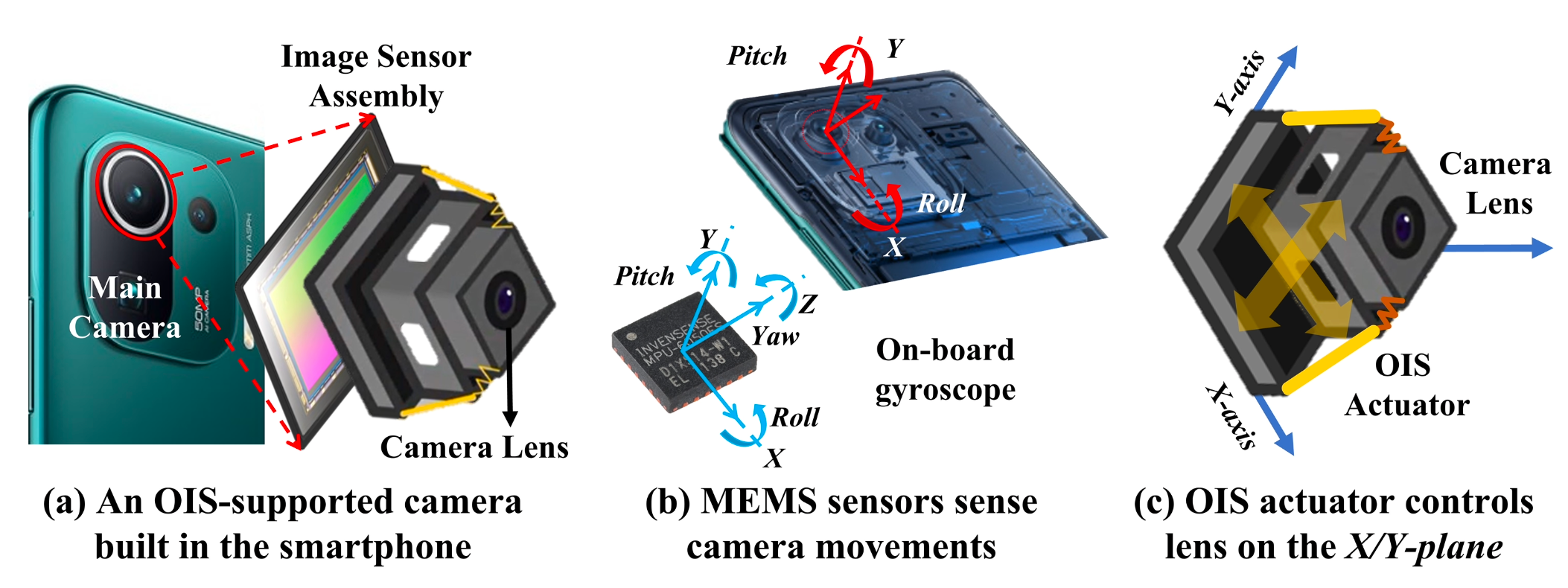
Image Stabilisation represents a broad spectrum of sophisticated methods – optical, mechanical, and electronic – designed to mitigate image blur predominantly caused by camera shake. It’s a fundamental innovation that has revolutionized handheld photography, enabling creators to push the boundaries of what’s possible without the constant reliance on tripods or excessively fast shutter speeds. Whether you’re a professional capturing intricate macro shots, an enthusiast documenting a vibrant city scene, or simply a smartphone user aiming for clearer everyday photos, understanding OIS is key to unlocking superior image quality. This article from Tophinhanhdep.com delves into the intricacies of optical image stabilisation, exploring its various forms, operational mechanics, and profound benefits for anyone passionate about visual excellence.

The Universal Quest for Sharper Images: Understanding Image Stabilisation Technologies
The pursuit of perfectly sharp images is a shared goal across all genres of photography. Unwanted motion blur, often a result of even the slightest hand tremor or camera movement during exposure, can quickly transform a potentially stunning shot into a missed opportunity. To combat this ubiquitous challenge, camera and lens manufacturers have developed a suite of image stabilisation technologies, each bearing a unique brand name but united by a common purpose: to deliver stable, blur-free visuals.
While Canon refers to its lens-based optical stabilisation as Image Stabilization (IS) found in its EOS EF, EF-S, and EF-M lenses, other prominent brands have adopted their own nomenclature. Nikon calls its system Vibration Reduction (VR), Tamron utilizes Vibration Compensation (VC), and Sigma offers Optical Stabilizer (OS). Sony’s system is known as Optical Steady Shot (OSS), Pentax employs Shake Reduction (SR), and both Fuji and Olympus are recognized for their Optical Image Stabilization (OIS). Panasonic contributes with variations like Dual, Mega, and Power OIS, while Olympus also features Sync-IS for advanced capabilities. Despite this diverse terminology, the underlying principle remains consistent: to counteract camera movement to ensure the image projected onto the sensor remains steady during capture.
Why Sharpness Matters for Tophinhanhdep.com Users
For users and contributors to Tophinhanhdep.com, the importance of sharpness extends beyond mere technical perfection; it’s a critical element that directly influences the aesthetic, impact, and utility of visual content across all categories.
Consider our diverse image collections:
- Wallpapers and Backgrounds: A wallpaper needs to be visually appealing, and any blur immediately makes it appear unprofessional or low quality, detracting from the user’s experience. Sharpness ensures intricate details in abstract patterns or the delicate textures in nature scenes are preserved, making for captivating desktop or mobile backgrounds.
- Aesthetic Photography: The very essence of aesthetic images often lies in their pristine detail and visual cleanliness. Blur can undermine the artistic intent, making an otherwise beautiful composition seem flawed. OIS helps achieve the crisp lines and smooth transitions that define high aesthetic value.
- Nature and Abstract Photography: In nature, details like individual leaves, water droplets, or the intricate patterns of a flower are crucial. OIS allows photographers to capture these elements with incredible fidelity, transforming a simple scene into a high-resolution, evocative piece of art. For abstract works, where precision in form and texture can be key, OIS prevents unintentional softening.
- Sad/Emotional Photography: Even in emotional photography, where the focus might be on expression rather than crisp edges, unwanted blur from camera shake can create an unprofessional look that distracts from the intended sentiment. OIS helps ensure that any creative blur (e.g., motion blur for effect) is intentional, while the subject itself remains in focus.
- Beautiful Photography: This overarching category directly benefits from OIS. Truly beautiful photography often combines compelling composition with technical excellence, and sharpness is a primary indicator of that excellence.
Beyond mere viewing, Tophinhanhdep.com also caters to Photography (High Resolution, Stock Photos, Digital Photography, Editing Styles). For high-resolution images and stock photos, absolute sharpness is non-negotiable. These images are often destined for large prints, commercial use, or extensive digital manipulation, where any imperfection is magnified. OIS ensures the foundational quality required for such demanding applications, providing a clean canvas for digital photography and sophisticated editing styles.
Furthermore, OIS contributes significantly to the effectiveness of Image Tools like AI Upscalers. While upscalers can intelligently increase resolution, they cannot magically restore detail lost to camera shake. An image initially captured with OIS provides a far superior starting point, allowing upscaling tools to genuinely enhance clarity and resolution rather than merely attempting to salvage blurry data. It also allows for greater freedom in Visual Design, ensuring that graphic designers and digital artists have pristine source material for photo manipulation and creative ideas, rather than struggling with suboptimal inputs. In essence, OIS directly empowers Tophinhanhdep.com users to create, share, and appreciate visual content of the highest caliber, laying the groundwork for image inspiration and trending styles built on impeccable clarity.
The Mechanics of Stability: How OIS Works
At its core, image stabilization is about defying involuntary camera movement, ensuring that the light hitting the camera’s sensor remains static relative to the image being recorded. This intricate dance involves sophisticated sensors, microprocessors, and precise mechanical components. While the various brand names suggest distinct technologies, image stabilization generally operates in two primary “flavors”: lens-based and in-body. Both aim to achieve the same end result—sharper images—but accomplish it through different mechanical means.
Modern IS systems are remarkably effective, often providing 3-5 “stops” of stabilization. This means a photographer can use a shutter speed that is 3 to 5 times slower than traditionally recommended for a given focal length and still achieve a sharp image. For instance, if a 200mm lens typically requires a 1/200th of a second shutter speed to prevent motion blur, a 4-stop OIS system could theoretically allow a sharp shot at 1/13th of a second. This capability offers tremendous advantages, especially in low-light conditions or when shooting handheld, allowing for lower ISO settings and richer detail, a critical factor for the high-quality images featured on Tophinhanhdep.com.
Lens-Based Optical Image Stabilization
Lens-based optical image stabilization is arguably the most common and historically prevalent form of OIS, especially in DSLR and professional mirrorless systems. This method involves a “floating” lens element (or a group of elements) within the lens barrel.
Here’s how it functions:
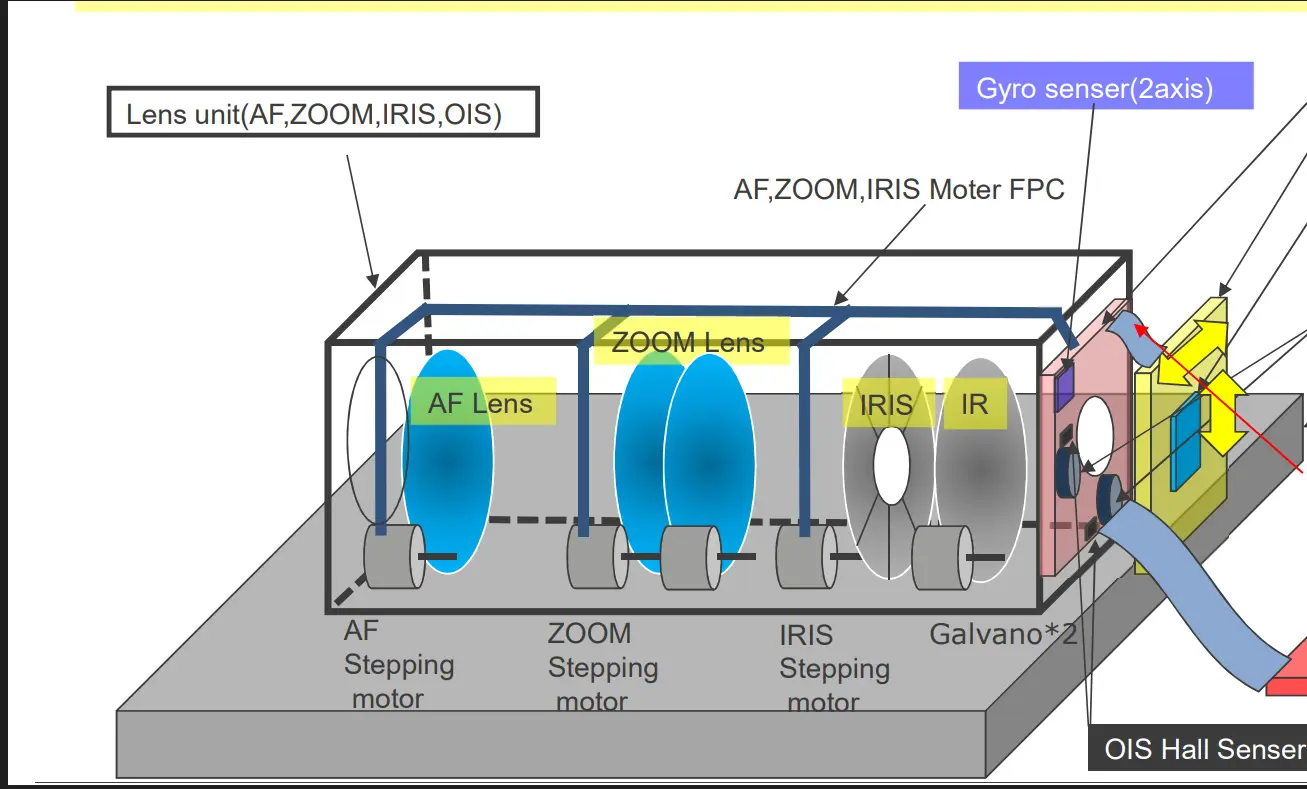
- Detection: The lens is equipped with miniature gyroscopic sensors. These sensors are incredibly sensitive and can detect even the slightest camera movements along multiple axes (e.g., horizontal, vertical, and rotational movements).
- Analysis: The detected movement information is instantly relayed to a microcomputer embedded within the lens. This computer rapidly analyzes the direction and magnitude of the camera shake.
- Compensation: Based on this analysis, the microcomputer sends precise instructions to tiny electromagnets or motors. These motors then physically shift the floating lens element(s) in the exact opposite direction and magnitude of the detected camera movement. This counter-movement effectively “freezes” the image path, ensuring that the light rays from the subject remain steady on the camera’s sensor, much as they would if the camera were perfectly still.
- Real-time Adjustment: This entire process occurs in milliseconds, constantly adjusting as the camera moves, allowing for continuous stabilization throughout the exposure.
A significant advantage of lens-based stabilization for Tophinhanhdep.com users is its effectiveness, particularly with longer focal lengths. When shooting with a telephoto lens (e.g., 200mm, 400mm, or more), even a minuscule camera shake is greatly magnified, leading to substantial image blur. The further the lens element is from the sensor, the greater the lever arm for compensation, making in-lens systems highly efficient at these extreme focal lengths. This is crucial for capturing crisp nature photography, detailed wildlife images, or distant landscapes that demand extreme clarity for high-resolution wallpapers. Furthermore, with many lens-based systems, the stabilization effect is visible through the optical viewfinder, making it easier to compose and frame shots accurately, a subtle but powerful aid for precise photography. Some lenses also offer multiple IS modes, tailored for specific shooting scenarios like panning or static shots, providing optimized performance.
In-Body Image Stabilization (IBIS)
In contrast to lens-based systems, In-Body Image Stabilization (IBIS) centers its stabilization efforts on the camera’s sensor itself, rather than within the lens. Originally popularized by brands like Olympus and Pentax (which used sensor-based stabilization even in some of their DSLRs), IBIS has seen a resurgence and widespread adoption, particularly in modern mirrorless cameras from manufacturers like Sony and Fujifilm.
The mechanism is similar in principle to lens-based OIS but different in execution:
- Detection: The camera body houses gyroscopic sensors that continuously monitor for camera movement.
- Analysis: A powerful internal processor analyzes this movement data.
- Compensation: Instead of moving a lens element, the camera’s image sensor is mounted on a movable platform. Electromagnets or piezoelectric actuators then shift this sensor platform precisely in the opposite direction of the detected camera shake. This ensures that the image recorded by the sensor remains sharp.
- Universality: One of the key advantages of IBIS is its universality. Once a camera body is equipped with IBIS, every lens mounted on that body—even older, non-stabilized lenses—will benefit from image stabilization. This represents a significant cost saving in the long run and offers incredible flexibility for photographers with diverse lens collections.
For Tophinhanhdep.com users, IBIS provides immense value by broadening the scope of creative photography. It means that high-resolution, sharp images can be captured with a wider array of lenses, enhancing flexibility for photographic projects that span different styles and eras of optics. Whether experimenting with vintage lenses for a retro look or using standard prime lenses, IBIS ensures a baseline of stability, directly supporting the creation of high-quality digital photography and diverse thematic collections that align with our image inspiration categories. Modern IBIS systems are also often multi-axis, capable of correcting for a broader range of movements than traditional lens-based systems alone.
The Five Axes of Stability
The evolution of image stabilization has led to increasingly sophisticated systems, with “5-axis image stabilization” becoming a benchmark for comprehensive shake correction. This term, often used prominently by brands like Sony and Olympus (with their Sync-IS), refers to the system’s ability to compensate for five distinct types of camera movement. Understanding these axes is crucial for photographers looking to achieve optimal sharpness in various challenging scenarios.
The five axes of camera movement that advanced IS systems can correct are:
- X-axis (Horizontal Shift): This refers to the camera moving side-to-side, parallel to the subject. This type of movement is most commonly encountered and problematic in close-up or macro photography, where small lateral shifts can significantly blur the image.
- Y-axis (Vertical Shift): This is perpendicular to the X-axis, meaning the camera moves up and down. Like horizontal shift, vertical movement is a significant concern in macro photography or when composing very tight shots, where even minor vertical deviations can cause blur.
- Roll (Angular Rotation): This describes the rotation of the camera around the lens axis, as if you were tilting the camera clockwise or counter-clockwise. This movement can occur when pressing the shutter button, especially if the camera is held loosely or off-balance. Roll is particularly important to correct during longer exposures and is generally not corrected by traditional lens-based stabilization but is handled by IBIS.
- Pitch (Angular Tilt): This is a vertical tilting or pivoting motion, where the camera tips up or down. Pitch is a very common type of camera shake when handholding any lens, but its effects are far more pronounced and destructive with longer telephoto lenses due to their narrow angle of view.
- Yaw (Angular Swing): This is a horizontal pivoting movement, where the camera swings side-to-side. Like pitch, yaw is a prevalent form of camera shake in handheld shooting and is exacerbated by long lenses or shooting in windy conditions.
Most traditional lens-based OIS systems primarily correct for Pitch and Yaw, as these are the main contributors to blur in many typical shooting situations. However, advanced IBIS systems, and especially hybrid or “dual” stabilization systems that combine both in-lens and in-body capabilities, can simultaneously address all five axes. This comprehensive correction capability significantly enhances image sharpness across a much wider range of photographic scenarios, from capturing static, detailed architectural shots without a tripod to ensuring smooth, stable video footage for visual narratives. The ability to correct for these diverse movements means more creative freedom and a higher probability of achieving the pristine, high-resolution images expected on Tophinhanhdep.com.
Beyond Optical: Other Stabilization Methods and Practical Considerations
While optical image stabilization remains the gold standard for achieving pristine image sharpness, especially for still photography, it’s part of a broader family of technologies. Understanding these other methods and key practical considerations helps photographers make informed decisions and get the most out of their gear for Tophinhanhdep.com’s diverse content categories.
Digital/Electronic Image Stabilization (EIS)
Digital Image Stabilization (EIS) offers an alternative approach to mitigating camera shake, albeit with inherent limitations compared to OIS. Unlike optical or mechanical systems that physically shift elements or sensors, EIS performs its stabilization electronically.
Here’s how it generally works:
- Gyroscope Input: Similar to OIS, gyroscopes detect camera movement during recording.
- Sensor Read Adjustment: Instead of moving physical components, the camera’s processor uses this movement data to intelligently “read” only a portion of the image sensor.
- Cropping: To achieve this electronic shift, the sensor needs to be physically larger than the final image output, or the image itself is cropped from the full sensor area. The camera effectively shifts the recorded image frame around the larger sensor area to counteract detected motion.
The primary limitation of EIS, especially for still photography, is the resulting crop. If the sensor isn’t significantly oversized, the final image will have a lower resolution than an un-stabilized, full-frame shot would yield. While this can be acceptable for video (where a slight crop in 4K footage might still result in high-quality 1080p output), it’s generally less desirable for high-resolution still images where every pixel matters. For Tophinhanhdep.com users focused on beautiful photography, stock photos, or wallpapers, the resolution and quality compromise of EIS for still images makes OIS the unequivocally superior choice. EIS is predominantly found and most effective in video recording, where it can produce smoother footage by reducing jerky movements, making it valuable for dynamic visual narratives, but rarely for critical still image capture.
OIS in Mobile Photography: Elevating Smartphone Shots
The integration of Optical Image Stabilization into mobile phone cameras has been a game-changer, dramatically elevating the quality of smartphone photography. Historically, the small sensors and compact nature of phone cameras made them highly susceptible to blur. OIS addresses this directly, enabling smartphones to capture images and videos that were once only possible with larger, dedicated cameras.
Why OIS is crucial in mobile phones:
- Low-Light Performance: In dim conditions, a smartphone camera’s shutter must remain open longer to gather sufficient light. Without OIS, this invariably leads to blurry images due to hand shake. OIS compensates for these small movements, allowing for longer exposure times and resulting in clearer, brighter photos with reduced noise and grain. This means stunning aesthetic shots, emotional portraits, or even astrophotography can be captured with just a phone.
- Sharp Details: Even in good lighting, OIS helps ensure sharper images with more visible details by neutralizing subtle hand tremors, leading to high-resolution outputs suitable for Tophinhanhdep.com’s diverse collections.
- Smoother Video: When walking and filming, OIS minimizes the impact of jerks and shakes, providing noticeably smoother video footage that rivals professional camcorders, perfect for creative ideas and digital art in motion.
- Enhanced Zoom and Focus: OIS assists in maintaining focus and stability when utilizing digital zoom features, where any slight movement is magnified.
The proliferation of OIS in smartphones means that a vast and ever-growing source of high-quality images is available. For Tophinhanhdep.com, this translates to more user-generated content that meets our standards for clarity and detail, richer thematic collections, and a broader range of visual inspiration, all captured through the ubiquitous device in everyone’s pocket. It democratizes the ability to create visually compelling content, making beautiful photography accessible to all.
Maximizing Stability: Tips for Tophinhanhdep.com Photographers
While image stabilization systems are incredibly powerful, they are not a magic bullet. Combining OIS with good photographic practices can unlock the full potential of your camera, ensuring the crisp, high-resolution images sought after on Tophinhanhdep.com.
Here are some expert tips for maximizing stability:
- The Shutter Speed Rule (and OIS’s Enhancement): Traditionally, a handheld shutter speed shouldn’t be slower than your focal length (e.g., 1/50 sec for a 50mm lens). OIS significantly extends this rule. As mentioned, modern IS systems can offer 3-5 stops of compensation, meaning you can achieve sharp images at much slower speeds (e.g., 1/13 sec with a 200mm lens, if you gain 4 stops). This is invaluable in low light for nature photography or achieving artistic depth without boosting ISO too high.
- Body Mechanics and Stance: Beyond OIS, how you hold your camera matters. Keep your feet roughly shoulder-width apart, providing a stable base. Hold the camera firmly with both hands, keeping your elbows tucked in close to your body to minimize leverage for shake. Leaning against a wall, tree, or any solid surface can provide additional support, significantly reducing movement.
- Viewfinder vs. LCD: Composing through the viewfinder often results in more stable shots because the camera is pulled closer to your body and braced against your face. If using the LCD, ensure your arms are as relaxed and steady as possible.
- Gentle Shutter Release: A harsh jab at the shutter button can introduce shake. Gently squeeze the button to trigger the exposure. For longer exposures, apply just enough pressure and maintain a light touch until the shutter closes. Consider using a remote shutter release or the camera’s self-timer for critical shots, especially in very low light or when the camera is placed on a stable surface.
- When OIS Doesn’t Help: It’s important to remember that image stabilization is designed to counteract camera shake, not subject motion blur. If your subject is moving rapidly (e.g., a bird in flight, a running child), OIS won’t freeze the action. For such scenarios, a faster shutter speed is the only solution.
- Hybrid Stabilization Systems: Can you use both in-lens and in-body stabilization simultaneously? Yes, in many modern camera systems (e.g., Sony FE/E mirrorless, Panasonic, Fujifilm X-H1), these systems can work in conjunction. Typically, the in-body system handles certain axes (e.g., 3-axis for linear and roll movements), while the lens-based OIS handles others (e.g., pitch and yaw). This “Dual IS” or “Sync-IS” provides maximum compensation, often reaching 6 or more stops of stabilization.
- The “Unparked” Lens Precaution: As a general practice on Tophinhanhdep.com, it’s advisable to turn off image stabilization on a lens before demounting it. Wait a few seconds for the internal floating elements to “park” or lock into a neutral position. Not doing so can leave the elements free-floating and potentially vulnerable to damage if the lens is jostled or dropped. This simple step can prolong the life of your valuable equipment.
- Theoretical Limits: The limits of image stabilization are continuously being pushed. Olympus, for instance, has suggested a theoretical limit around 6.5 stops of stabilization, beyond which the Earth’s rotation might even interfere with gyro sensors – a testament to the extreme precision involved!
By incorporating these practices, photographers can ensure their OIS-equipped cameras deliver the sharpest possible results, providing high-quality raw material for all creative endeavors, from developing new editing styles to curating stunning image collections on Tophinhanhdep.com.
Optical Image Stabilisation is more than just a technical feature; it is a gateway to capturing moments with unparalleled clarity and detail. For the vibrant community of photographers, designers, and visual enthusiasts at Tophinhanhdep.com, OIS serves as a critical enabler, transforming shaky captures into breathtaking visuals. From the grand landscapes destined for high-resolution wallpapers to the intricate details of abstract digital art, the ability to minimize blur fundamentally elevates the quality and impact of every image.
Whether you’re leveraging the precise movements of lens-based OIS, the universal stability of in-body systems, or the combined power of hybrid technologies, understanding and utilizing these innovations is key to photographic success. Even in the realm of smartphone photography, OIS empowers casual users to produce professional-looking shots, fueling the aesthetic and trending styles that define modern visual culture.
At Tophinhanhdep.com, we champion the creation and appreciation of stunning imagery. Optical Image Stabilisation is at the heart of achieving that vision, allowing you to focus on composition, light, and narrative, confident that your technical foundation is rock-solid. Explore our collections, draw inspiration from crystal-clear photography, and wield the power of OIS to craft your own masterpieces—images that truly stand out in a visually saturated world.