Why Do AI-Generated Images Look Uncanny?
In the rapidly evolving landscape of digital creation, Artificial Intelligence has emerged as a revolutionary force, capable of generating visuals that range from breathtakingly realistic to eerily abstract. As a premier destination for high-quality visual content, Tophinhanhdep.com explores the full spectrum of image utility, from stunning wallpapers and aesthetic backgrounds to intricate digital art and indispensable image tools. Yet, amidst the marvel of AI-driven artistry, a peculiar phenomenon persists: the uncanny valley. You’ve likely encountered AI-generated images that, at first glance, appear incredibly real, but upon closer inspection, something feels inherently “off.” Perhaps it’s the subtle asymmetry in a generated face, the strange distortion of hands and fingers, or an unnatural play of light and shadow that defies the laws of physics.
This pervasive sense of unease, often referred to as the “uncanny valley,” raises crucial questions for anyone leveraging AI in their creative or professional endeavors. Why do these advanced algorithms, trained on vast datasets of real-world imagery, struggle with seemingly fundamental aspects of visual coherence? And how does this impact the quality and perceived professionalism of content intended for purposes such as those championed by Tophinhanhdep.com – from enriching a mood board with thematic collections to crafting a compelling graphic design for a project?
Understanding the underlying reasons behind this uncanny effect is not merely an academic exercise; it’s a practical necessity for anyone seeking to harness the power of AI image generation effectively. At Tophinhanhdep.com, where we celebrate beautiful photography, offer diverse image collections, and provide essential image tools, the pursuit of visual excellence is paramount. This article delves into the heart of the uncanny valley in AI-generated images, dissecting its origins, its manifestations, and the strategies to navigate its unsettling depths, ensuring that your AI-enhanced creations maintain the integrity and appeal your audience expects.
The Uncanny Valley Phenomenon: A Deeper Look
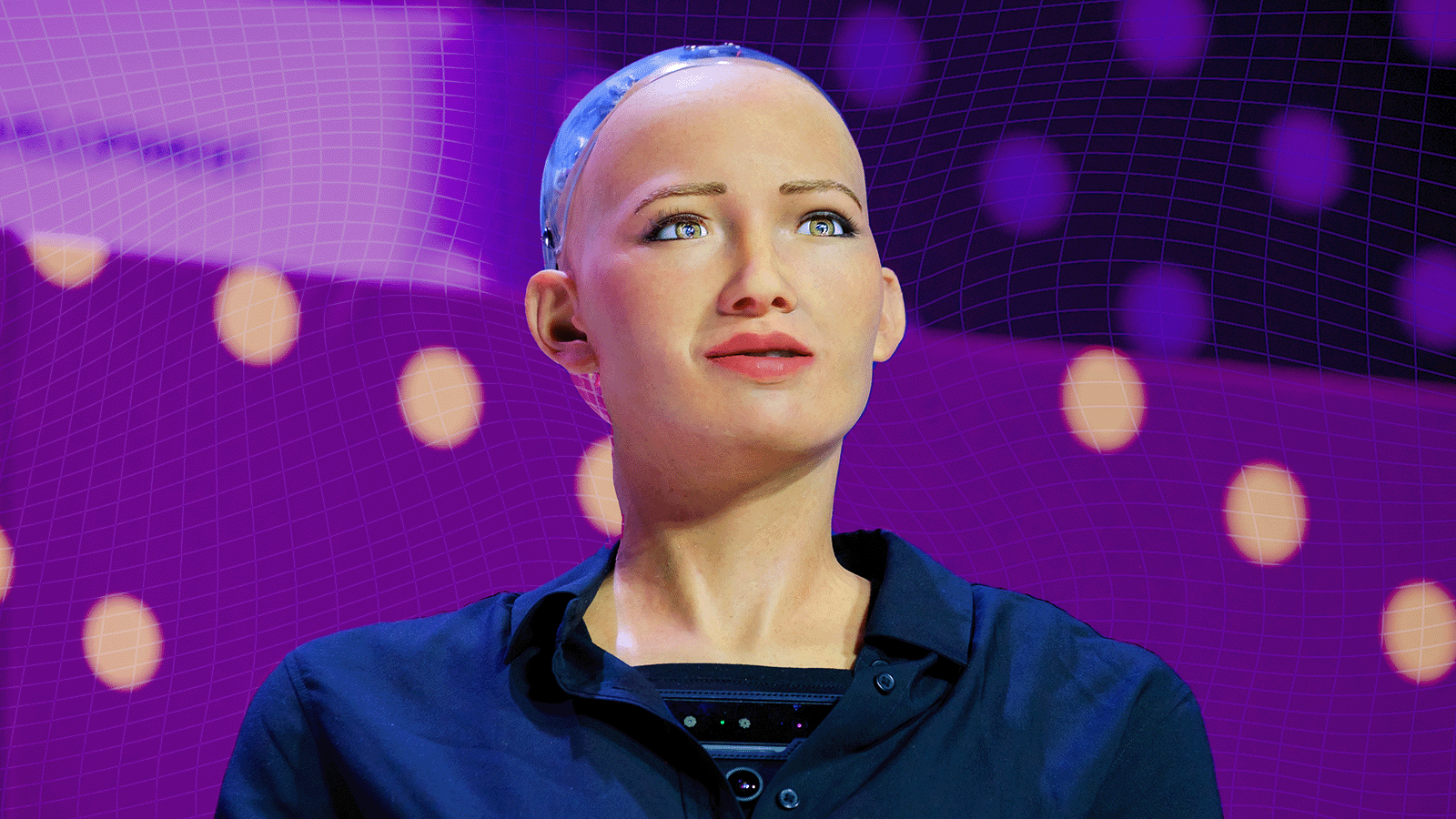
The discomfort elicited by AI-generated images that are almost, but not quite, human-like or realistic, is a prime example of the “uncanny valley” phenomenon. This concept, originally articulated in the context of robotics, offers a powerful lens through which to understand our reactions to the imperfections of synthetic visuals.
Defining the Uncanny Valley
The term “uncanny valley” was first coined by Japanese roboticist Masahiro Mori in 1970. Mori proposed a fascinating hypothesis: as robots or artificial creations become more humanlike, our affinity towards them generally increases. Think of a charming, stylized robot like WALL-E; its clear artificiality combined with human-like expressions makes it endearing. However, Mori observed that this positive correlation doesn’t continue indefinitely. There comes a point, a critical threshold, where the creation becomes too human-like but still perceptibly artificial. At this juncture, our positive emotional response plummets into a trough of revulsion and eeriness – the “uncanny valley.” If the artificial entity then manages to become virtually indistinguishable from a real human, our affinity rises again, reaching a level comparable to, or even exceeding, our response to actual humans.

While Mori’s initial theory focused on physical robots, its implications have expanded significantly. Researchers have found “uncanny valleys” in various domains, including human and synthetic voices, robotic animals, and even architectural designs. In the realm of AI-generated images, this phenomenon manifests when an image is stunningly close to photographic reality but contains subtle, yet disturbing, glitches. It’s the visual equivalent of a perfectly orchestrated symphony with one subtly off-key note that jars the entire experience. For Tophinhanhdep.com, where image aesthetic and quality are core offerings, understanding this threshold is vital. Whether it’s a nature scene, an abstract composition, or a portrait intended for a beautiful photography collection, any deviation into the uncanny can undermine the image’s purpose and impact.
Why We Perceive “Wrongness”: Cognitive and Evolutionary Theories
The sensation of “wrongness” triggered by uncanny AI images isn’t just a fleeting feeling; it’s rooted in complex cognitive processes and, potentially, evolutionary instincts. Our brains are incredibly adept at recognizing and interpreting human faces and natural scenes, having evolved over millennia to process such visual information with extreme precision. When an AI image presents something that closely mimics reality but contains inconsistencies, our finely tuned perceptual systems detect these flaws, creating a sense of cognitive dissonance.
One prominent theory, supported by cognitive psychologists like Karl MacDorman and Alex Diel, is configural processing. This theory suggests that uncanny valley reactions are primarily caused by our sensitivity to the precise positioning, size, and relationship of human facial features. We unconsciously evaluate these configurations against an internal template of what a “normal” or “healthy” human face should look like. When an AI places eyes slightly too far apart, makes fingers unnaturally long, or distorts the symmetry of a face, it violates this template, triggering an alarm in our perception. Closely related is the theory of perceptual mismatch, which posits that discomfort arises when we detect incongruous features – for instance, realistic eyes paired with unrealistic skin textures, or detailed elements alongside oddly blurred or merged components. This is a common pitfall for many AI image generators, which may excel at rendering individual elements but struggle with their cohesive integration, leading to unnatural textures and lighting that make an image look flat or oddly lit.
From an evolutionary standpoint, these sensitivities may have served as crucial survival mechanisms. One hypothesis suggests that imperfections in a human-like entity could be perceived as signs of illness, injury, or an underlying threat, prompting an instinctual avoidance or disgust response to prevent contagion or danger. Similarly, mate selection theory posits that we are instinctively averse to imperfect human-like figures because their flaws signal poor genetic fitness. The “zombie theory” suggests that artificial agents unsettle us because they appear to have come alive unnaturally, challenging our fundamental understanding of life and death, and reminding us of our own mortality.
Beyond these physiological and evolutionary explanations, cognitive theories highlight the psychological impact of the uncanny. When we encounter an artificial being or image that possesses human-like qualities – be it an ability to emote, reason, or present photorealistic detail – it can cause cognitive dissonance and confusion. We don’t instinctively know whether to treat it as human or as an inanimate object, or if we can trust it to behave as a human would. This challenge to our categories of reality is a core aspect of the “weirdness” described by Mark Fisher, where an entity is so strange it makes us feel it shouldn’t exist, thus invalidating our established worldview.
More recently, research has suggested that artificial agents are unsettling because they challenge our beliefs about the uniqueness of human abilities, such as reasoning, logic, and emotional expression. When an AI generates a beautiful image of a person, a landscape, or an abstract concept, and it’s almost perfect but just slightly off, it forces us to confront the boundaries of what is real and what is artificial. This unsettling experience is precisely what Tophinhanhdep.com aims to avoid in its curated collections of beautiful photography and aesthetic images, ensuring that every visual resonates with authenticity and appeal.
Technical Roots of AI’s Uncanny Mistakes
To truly grasp why AI-generated images sometimes fall into the uncanny valley, we must look beyond philosophical and psychological theories and delve into the technical underpinnings of how these images are created. The current limitations of AI models, particularly in their “understanding” of the physical world, are the primary culprits behind these unsettling errors.
How AI Image Generators Work (and Fall Short)
Most modern AI image generators, such as those that produce the stunning yet sometimes flawed visuals we encounter, rely on advanced machine learning architectures like Generative Adversarial Networks (GANs) or diffusion models, which are trained on vast datasets of images. The process, while complex, can be simplified into a few key steps:
- Learning Patterns: The AI meticulously scans through thousands, millions, or even billions of existing images. During this extensive training phase, it identifies and learns intricate statistical patterns: what eyes typically look like, how shadows naturally fall on a face, the common structure of a human hand, or the composition of a natural landscape. It builds a probabilistic model of the visual world.
- Generating New Images: When a user provides a prompt (e.g., “a woman walking through a forest at sunset,” or “an abstract artwork with vibrant colors”), the AI leverages these learned patterns to piece together entirely new images. It essentially samples from its vast statistical understanding to construct a visual representation that aligns with the prompt.
The fundamental challenge, and the origin of many uncanny errors, lies in the nature of this “learning.” The AI doesn’t genuinely understand the objects, people, or physics it’s depicting in the same way a human does. It doesn’t grasp depth, context, or the intricate cause-and-effect relationships that govern the real world. Instead, it operates based on probabilities and correlations derived from its training data. It’s excellent at mimicking common visual patterns and rendering photorealistic textures, but it lacks the intuitive logic or physical comprehension that ensures every detail “makes sense.”
Think of it like an extraordinarily skilled assembler of a jigsaw puzzle, but one that only sees individual pieces and their common connections, not the overall picture or the logical necessity of how pieces fit together. It might successfully place many pieces that almost fit, but without true comprehension, some will inevitably be slightly misaligned, distorted, or even entirely out of place, creating a coherent but fundamentally flawed image. This “deconstructed intelligence,” as one observer puts it, means the AI can render complex photorealistic faces without truly grasping the underlying human physiology or its existence in physical reality, leading to disturbing deformities when the model breaks down.
Key Limitations in AI Training and Generation
Several technical limitations directly contribute to the uncanny mistakes seen in AI-generated images:
- Training Data Limits: AI models are only as good as the data they are trained on. If the dataset contains biases, lacks sufficient diversity, or has missing examples for certain features or angles, the AI will inevitably struggle when attempting to generate these elements. For instance, if the training data is predominantly composed of front-facing portraits, the AI may have difficulty generating realistic profiles or unusual facial expressions. Complex features like hands, which have many small, articulated parts, are often underrepresented or inconsistently depicted in training data, making them notoriously challenging for AI to render accurately. This can result in the oft-cited examples of fingers that are too long, too few, or too many.
- Lack of 3D Understanding: AI models, at their core, process images as 2D arrays of pixels. They don’t truly understand depth, spatial relationships, or the three-dimensional structure of objects and environments in the way human vision does. This deficiency can lead to objects being misplaced in a scene, distortions in perspective, or shapes that appear physically impossible from a human viewpoint. The AI might render a realistic texture on a surface but fail to account for how light would interact with its inferred 3D form, making the image look flat or oddly lit.
- Randomness in Generation: To ensure variety and creativity in its outputs, AI models incorporate elements of randomness during the generation process. While essential for producing diverse images from a single prompt, this randomness can also introduce unpredictable glitches and artifacts. These “lucky mistakes” can sometimes lead to uniquely uncanny distortions, where elements are blended in illogical ways—such as backgrounds morphing into faces or the appearance of extra limbs that make no anatomical sense.
- Simplified Pattern Recognition: The AI’s approach to image creation is often based on recognizing and replicating common shapes, colors, and textures. It can identify that a face has eyes, a nose, and a mouth, and it can render these individual components with impressive realism. However, it often lacks the capacity to judge whether these elements “make sense” in the broader context of the entire image, or whether their combination adheres to the logical or physical constraints of the real world. This leads to issues like asymmetric facial features or eyes that don’t quite line up symmetrically, triggering that immediate “something’s not right” feeling in human observers.
These details, small as they may seem, accumulate to create a significant perceptual gap between what the AI thinks it’s producing and what a human knows is real. For Tophinhanhdep.com, dedicated to showcasing high-resolution, stock photos, and beautiful photography, these technical limitations pose a critical challenge, requiring careful review and refinement of any AI-generated content before it meets our exacting standards.
The Impact on Visual Content and Tophinhanhdep.com’s Role
The uncanny effect in AI-generated images carries significant implications for various applications of visual content, especially for platforms like Tophinhanhdep.com that prioritize aesthetic appeal, quality, and credibility. While AI offers unparalleled speed and efficiency for on-demand visuals, its imperfections can undermine the very goals it seeks to achieve.
Credibility, Audience Perception, and Control
The presence of uncanny elements in AI-generated visuals can have a profound negative impact on how content is perceived:
- Your Audience Might Notice: Even if the flaws are subtle, human observers are remarkably adept at detecting deviations from reality, particularly in human forms or familiar objects. These subtle imperfections can be distracting, pulling the viewer’s attention away from the intended message or aesthetic. For a brand, the use of visuals with perceptible flaws can make the content—and by extension, the brand itself—appear less polished, less professional, and potentially even amateurish. On Tophinhanhdep.com, where users seek curated collections of aesthetic and beautiful photography, such distractions are unacceptable.
- It Affects Credibility: Low-quality or “weird” visuals can significantly undermine the credibility of your message or content. If the images accompanying a presentation, a social media post, or an article exhibit uncanny characteristics, they can make the entire piece seem rushed, untrustworthy, or lacking in attention to detail. This is particularly critical for informational content or visuals used in professional contexts where accuracy and reliability are paramount. The danger of encountering “intelligence” that is only a slice of the whole, as discussed by Timmb.com, can extend to visuals—an image that appears intelligent in its photorealism but fails in subtle details can create a sense of distrust.
- Limited Control: While AI promises to be a huge time-saver for generating visuals, the reality is that the uncanny effect often necessitates additional time for fixing or editing. Instead of simply generating and deploying, users frequently find themselves in a “human-in-the-loop” scenario, meticulously inspecting images for flaws, refining prompts through multiple iterations, or resorting to traditional photo editing tools to correct odd details, improve lighting, or restore anatomical accuracy. This “extra time” cuts into the efficiency gains that AI initially offered, complicating workflows for graphic designers and digital artists who might otherwise benefit from rapid prototyping.
The “uncanny reckoning” with AI’s limitations extends beyond images to other AI applications, highlighting a broader challenge in how we perceive intelligence. As exemplified by the “AI advisor” Ion, best described as a statistical analysis package rather than a truly intelligent entity, assigning human-like intellectual authority to AI based on a limited set of capabilities can be misleading. Similarly, relying on AI-generated images without critical human oversight can lead to a false sense of visual authority that crumbles upon closer inspection, eroding trust and perceived quality.
Navigating AI in Visual Design and Photography on Tophinhanhdep.com
Tophinhanhdep.com offers a diverse range of visual content and tools, and the impact of uncanny AI images touches upon each core area:
- Images (Wallpapers, Backgrounds, Aesthetic, Nature, Abstract, Sad/Emotional, Beautiful Photography): In categories demanding high aesthetic value and emotional resonance, uncanny elements are particularly detrimental. A “beautiful photography” piece with a distorted figure or unnatural lighting loses its appeal. An “aesthetic background” or “nature wallpaper” that subtly disorients the viewer fails its purpose. For “sad/emotional” images, an uncanny expression can transform empathy into discomfort. Tophinhanhdep.com’s collections strive for authenticity and impact, where AI-generated uncanny visuals simply wouldn’t meet our curation standards.
- Photography (High Resolution, Stock Photos, Digital Photography, Editing Styles): High-resolution imagery magnifies imperfections. For stock photos, which are often used in professional contexts, any uncanny detail can render an image unusable, requiring extensive digital photography editing or outright rejection. Tophinhanhdep.com emphasizes quality in its photography offerings, meaning AI-generated images must either be flawless or meticulously post-processed using advanced editing styles to eliminate any uncanny characteristics before they can be considered.
- Visual Design (Graphic Design, Digital Art, Photo Manipulation, Creative Ideas): While AI can be a powerful tool for generating initial concepts or elements in graphic design and digital art, human refinement is crucial. An uncanny AI-generated character or background would detract from a cohesive visual design. Photo manipulation techniques can be employed to fix AI’s mistakes, but this adds a layer of work. For creative ideas, AI can spark inspiration, but the final execution requires a human touch to ensure the vision is realized flawlessly and without unsettling flaws.
- Image Inspiration & Collections (Photo Ideas, Mood Boards, Thematic Collections, Trending Styles): AI can quickly generate a multitude of images for mood boards or thematic collections, offering diverse photo ideas or illustrating trending styles. However, the selection process must be rigorous. An uncanny image on a mood board can disrupt the entire aesthetic, while a collection intended to showcase “beautiful photography” would be compromised by even subtle imperfections. Human curation remains indispensable for discerning which AI outputs truly serve as inspiration and which are best left aside.
Ultimately, while AI image generation offers exciting possibilities for speed and ideation, its uncanny imperfections highlight the irreplaceable value of human discernment, artistic skill, and the meticulous standards upheld by platforms like Tophinhanhdep.com in delivering truly exceptional visual content.
Towards a More Seamless Future: Overcoming the Uncanny
Despite the current challenges posed by the uncanny valley, the field of AI image generation is not static. Continuous advancements in research and development are actively working to bridge this gap, promising a future where AI-generated visuals are increasingly realistic and less prone to unsettling errors. For users of Tophinhanhdep.com, understanding these developments and adopting best practices will be key to leveraging AI effectively.
Advancements in AI Technology
The journey towards overcoming the uncanny valley in AI-generated images is marked by several promising technological evolutions:
- Better Training Datasets: The quality and diversity of the data AI models learn from are paramount. Researchers are focusing on curating more comprehensive, diverse, and higher-quality image datasets that include a wider array of human poses, expressions, environmental conditions, and nuanced details like intricate hand gestures. By exposing AI to richer, less biased information, it can learn finer details and more accurately represent the complexities of the real world. This includes not only more images but also metadata that helps the AI understand the context of what it’s seeing.
- Multimodal Learning: Future AI models are moving beyond just learning from images. By combining images with other forms of data, such as text descriptions, 3D models, or even video, AI can gain a richer, more holistic understanding of the visual world. For example, integrating 3D models allows AI to learn about depth, spatial relationships, and physical constraints directly, rather than inferring them from 2D images. This deeper contextual understanding can help alleviate issues like distorted shapes and illogical object placements.
- Human-in-the-Loop Systems: Recognizing that AI still benefits from human guidance, many cutting-edge tools are incorporating “human-in-the-loop” systems. These allow users to guide, refine, or correct AI outputs in real-time. This might involve interactive tools where a user can adjust specific features (like eye alignment or hand structure) or provide iterative feedback that helps the AI learn to produce better results based on human preferences. This hybrid approach combines the speed of AI with the precision and discernment of human creativity.
- Post-Processing Tools: Even if an initial AI generation isn’t perfect, advanced AI-based editing software is becoming increasingly sophisticated. These tools can automatically detect and clean up oddities, correct anatomical inaccuracies, enhance lighting, or improve textures after the image has been generated. This means that even images with slight uncanny elements can be refined and polished to meet high standards, transforming a “nearly good” image into a genuinely excellent one.
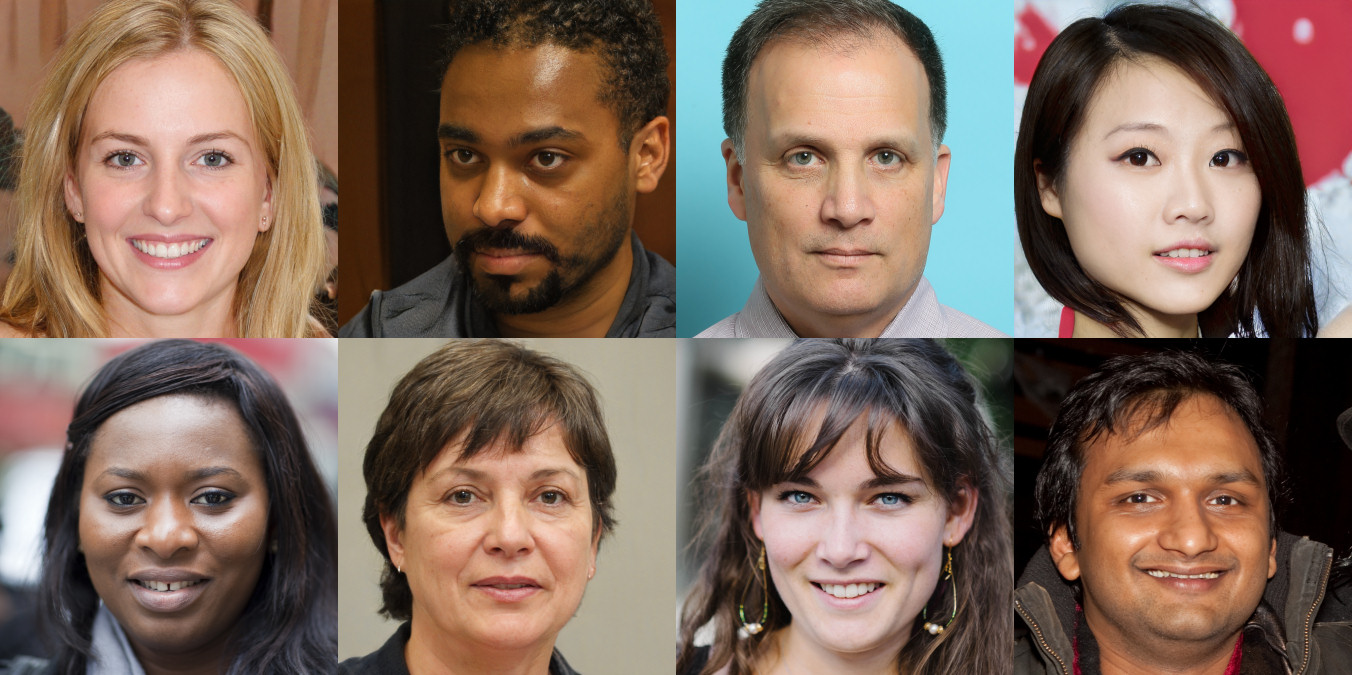
- Rapid Progress in Realism: It’s important to acknowledge the incredible pace of improvement. Just a few years ago, AI-generated faces were easily distinguishable. Today, as highlighted by reports on Tophinhanhdep.com and similar platforms, AI-created faces can look so real that humans struggle to spot the difference. The “uncanny valley” is becoming shallower and shorter for certain types of content, particularly simple portraits. While complex scenes, full body shots, or specific challenging elements like hands still pose difficulties, the trend is undeniably towards greater realism and fewer noticeable flaws. This evolution suggests that the specific “uncanny mistakes” are not insurmountable, but rather problems that diminish with improved models and training data.
However, despite these continuous improvements, AI-generated images may never be 100% flawless across all contexts due to the probabilistic nature of how these models work. True “understanding” and consciousness, as humans possess, remain outside the scope of current AI. This underscores the importance of using AI tools thoughtfully and critically.
Best Practices for Using AI Image Generators with Tophinhanhdep.com’s Standards
For individuals and professionals who wish to leverage AI image generation without compromising quality, especially for content intended for Tophinhanhdep.com’s discerning audience, adopting smart strategies is crucial:
- Review Closely: Always, without exception, meticulously check AI-generated images for inconsistencies, distortions, or any uncanny elements before using them. This is particularly important for high-resolution images or those destined for public display as wallpapers or aesthetic backgrounds, where flaws would be highly noticeable.
- Continue Refining Your Prompt: Treat the first AI output as a draft, not a final product. Experiment with detailed, specific, and varied prompts. Learn what keywords and phrases yield the best results for your desired outcome. Iteratively refine your prompts based on previous generations, guiding the AI closer to your vision. This process is akin to a dialogue, where your input helps shape the AI’s “understanding.”
- Combine with Human Editing: Recognize that AI is an assistant, not a replacement for human skill. Use professional photo editing tools to fix odd details, correct anatomical errors, adjust lighting, or enhance overall composition. This aligns perfectly with Tophinhanhdep.com’s focus on “Editing Styles” and “Photo Manipulation.” AI can generate the raw material, but human expertise is often required for the final polish that ensures a “beautiful photography” standard.
- Pick Simple Subjects: AI currently struggles more with highly complex scenes, multiple interacting figures, or intricate anatomical details (like hands). For initial experiments or when speed is paramount, opt for simpler subjects or compositions. Abstract art, landscapes, or stylized illustrations often yield better and less uncanny results than photorealistic portraits of multiple people in dynamic poses.
- Test Multiple Outputs: AI generation can be hit-or-miss. Don’t settle for the first image generated. Produce several images from the same prompt (or slight variations) and select the best one. This increases your chances of finding an output that minimizes uncanny elements and aligns more closely with your expectations.
- Leverage Tophinhanhdep.com’s Image Tools: Complement your AI workflow with tools that ensure image quality. While AI upscalers on Tophinhanhdep.com can enhance resolution, remember they improve clarity, not necessarily artistic integrity. Use image compressors and optimizers to prepare your refined images for web use or specific platforms, ensuring they look great without sacrificing performance. Image-to-text tools might even help in describing your ideal prompts more accurately.
The Bottom Line
AI-generated images represent a powerful and time-saving tool for creating compelling visuals, offering incredible potential for everything from generating mood board inspirations to quickly populating a website with diverse backgrounds. However, the recurring phenomenon of the uncanny valley reminds us of the current limitations inherent in AI’s ability to truly “understand” and perfectly replicate the intricate details of the real world. This feeling of “off-ness” stems from the AI’s probabilistic learning model, which, despite its sophistication, lacks genuine comprehension of physics, context, or human experience.
Knowing why AI images sometimes look uncanny empowers users to approach this technology with a critical eye and strategic mindset. For a platform like Tophinhanhdep.com, committed to delivering high-quality images across categories like beautiful photography, aesthetic backgrounds, and professional graphic design, this understanding is fundamental. It means acknowledging that while AI offers speed and a vast array of creative ideas, human judgment, artistic refinement, and meticulous quality control remain indispensable.
As AI technology continues its rapid evolution, we can expect to see further improvements in realism, reducing the instances of uncanny errors. However, for now, and likely for the foreseeable future, AI-generated images are best viewed as a helpful assistant, a source of unparalleled inspiration, or a powerful tool for rapid prototyping. They are not, and should not be treated as, a full replacement for the nuanced creativity, ethical judgment, and discerning eye of human artists and photographers. By combining the speed and generative power of AI with human expertise in editing, curation, and critical review, Tophinhanhdep.com ensures that our users can achieve the highest standards of visual excellence, harnessing the best of both artificial and human intelligence.